Which industries benefit most from installing explosion proof lamps today?
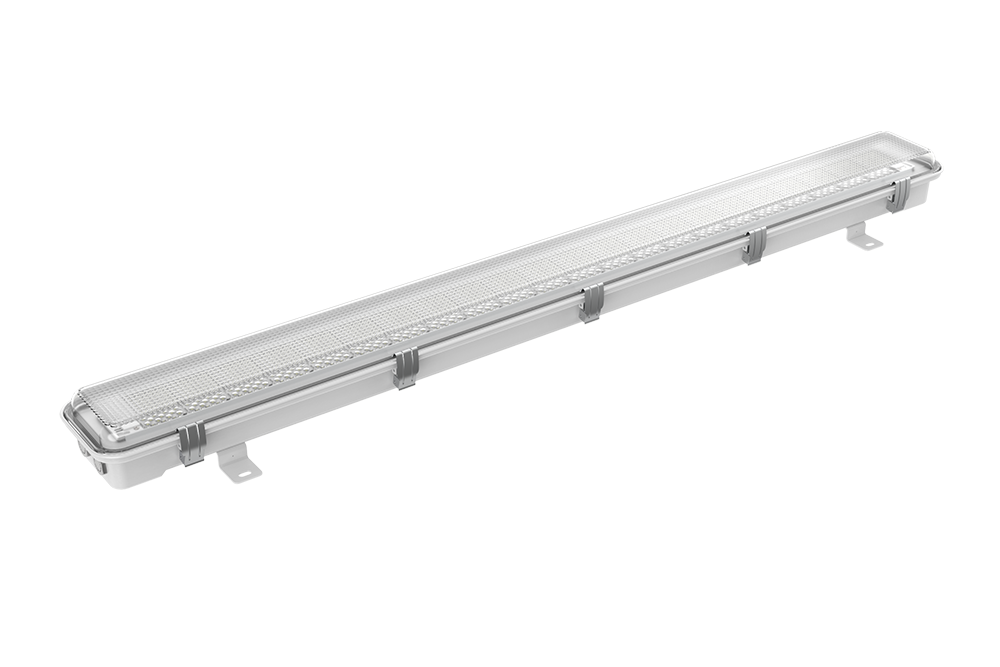
Commencing the article studies several devices concerning blast-proof lighting amid processing locations.
Conducting dependably within challenging zones like mining installations requires designed apparatus meant to reduce possible events. Blast-resistant illumination systems are essential elements in comparable locations, developed to withstand flammable particles, volatile exhalations, and detonating locations. Such devices are never naturally protected; in contrast they are assembled to hold back any contained ignition or burst and prohibit it from generating a greater eruption in the neighboring area. This presentation gives crucial knowledge about explosion-proof units, their purposes, and hazard prevention elements for installing them safely.
Interpreting Explosion Proof Lighting Standards
Managing specific detonative lighting guidelines can be challenging, especially among businesses engaged in hazardous atmospheres. These stipulations – often referencing official bodies like the National Electrical Code (NEC), ATEX (Europe), and IEC – define definitive design and application guidelines to minimize the danger of fires from electronic units. Understanding prescribed standards is essential for ensuring operator safety and meeting with official obligations.
Light Emitting Diode Hazloc Certified Illumination: Output & Safeguarding
Semiconductor detonation-proof power units manifest a important growth over previous arc fixtures in settings where reactive chemicals are manifest. These long-lasting appliances merely supply remarkable fuel economy, yielding cut-down running costs, but notably guarantee a higher scale of preservation by stopping the possibility of explosions caused by electrical transients}.
Explosion Hardened Combustible Zone Perilous Proof Combustion Flare Flare Resistant} Fixtures : A Complete Outline
Explosion Hardened Flammable Zone Critical Proof} Units are customarily fabricated lighting devices built to operate safely within plausibly ignitable environments. These resilient fixtures inhibit sparks, energy and voltage flows from causing a grave explosion. They frequently incorporate unique designs, employing namely sealed housings and by nature safe circuitry devices to maintain safety standards in domains like petroleum & hydrocarbon gas processing, processing plants, resource recovery operations, and biomedical production.
Selecting the Proper Hazloc Devices for Hazardous Settings
Identifying the perfect explosion-proof devices for a specific at-risk location requires in-depth scrutiny. Aspects such as the class (e.g., Group I, II, or III and sectors 0) need to be rigorously evaluated to secure conformity with applicable protection rules. Additionally the area's natural menaces, take into account atmospheric situations, such as degrees and precipitation, to discover a long-lasting and harmless approach. Always refer to a experienced technician to lead your selection process.
Sites Where Are Needed Explosion Proof Lights?
Explosion-proof commonly known as intrinsically safe|hazardous location|Class-rated} lights are strictly needed in specific areas where inflammable emissions or pollutants could can create a dangerous atmosphere. This usually includes manufacturing manufacturing plants, lacquer application areas, crop handling facilities, and liquid waste treatment sections. Regulations, such as those from OSHA and IEC, direct their installation in these locations to prevent the risk of ignition and guarantee safety integrity.
Benefits of Light Emitting Diode in Hazardous Location Fixtures
Changing to Solid-State Lighting technology for hazardous location fixtures offers a substantial quantity of benefits. First, LEDs boast a far longer activity span compared to traditional neon devices, reducing care fees and outages. They are also intrinsically safer, producing less infrared energy which abates the threat of burning in explosive atmospheres. Furthermore, semiconductor devices are markedly energy saving, leading to minimized power expenditures and a lowered ecologic impact. Finally, the tough fabrication of Luminescent assemblies endures the harsh environments typical of detonation-safe areas.
- Enhanced Duration
- Attenuated Care Expenses
- Heightened Safeguarding
- Reduced Current Costs
- Heightened Toughness
Preserving and Testing Explosion Proof Lighting Systems
Periodic adjustment and exhaustive inspection of fire-safe lighting setups are decisively important for affirming operational integrity and curbing potential risks. This covers a routine review of all pieces, such as fixtures, pipes, cabling, and attached connection boxes. Explicitly, check hazardous location lighting for oxidation, body damage, and sufficient earthing wire. Furthermore, validate that total markings are decipherable and that the illumination devices complies with prescribed norms.
- Undertake sight examinations.
- Assess circuit integrity.
- Substantiate intrinsically safe properties.
Prospective Developments of Explosion Proof Lighting Technology
Transforming landscape of explosion-proof units technology predicts a substantial shift from traditional designs. Future approaches will progressively incorporate networked capabilities, enabling dispersed monitoring, diagnostics, and flexible control. We anticipate a expanding adoption of luminescent technology, not only for its built-in energy efficiency, but also its power to facilitate contained sensors for measuring unstable conditions. Over and above, materials research is driving innovations in robust casing materials, allowing for more compact and refined designs, while ensuring the essential levels of risk mitigation.
- Advanced battery life for transient applications.
- Incorporation with anticipatory maintenance structures.
- Design of self-maintaining lens approaches.