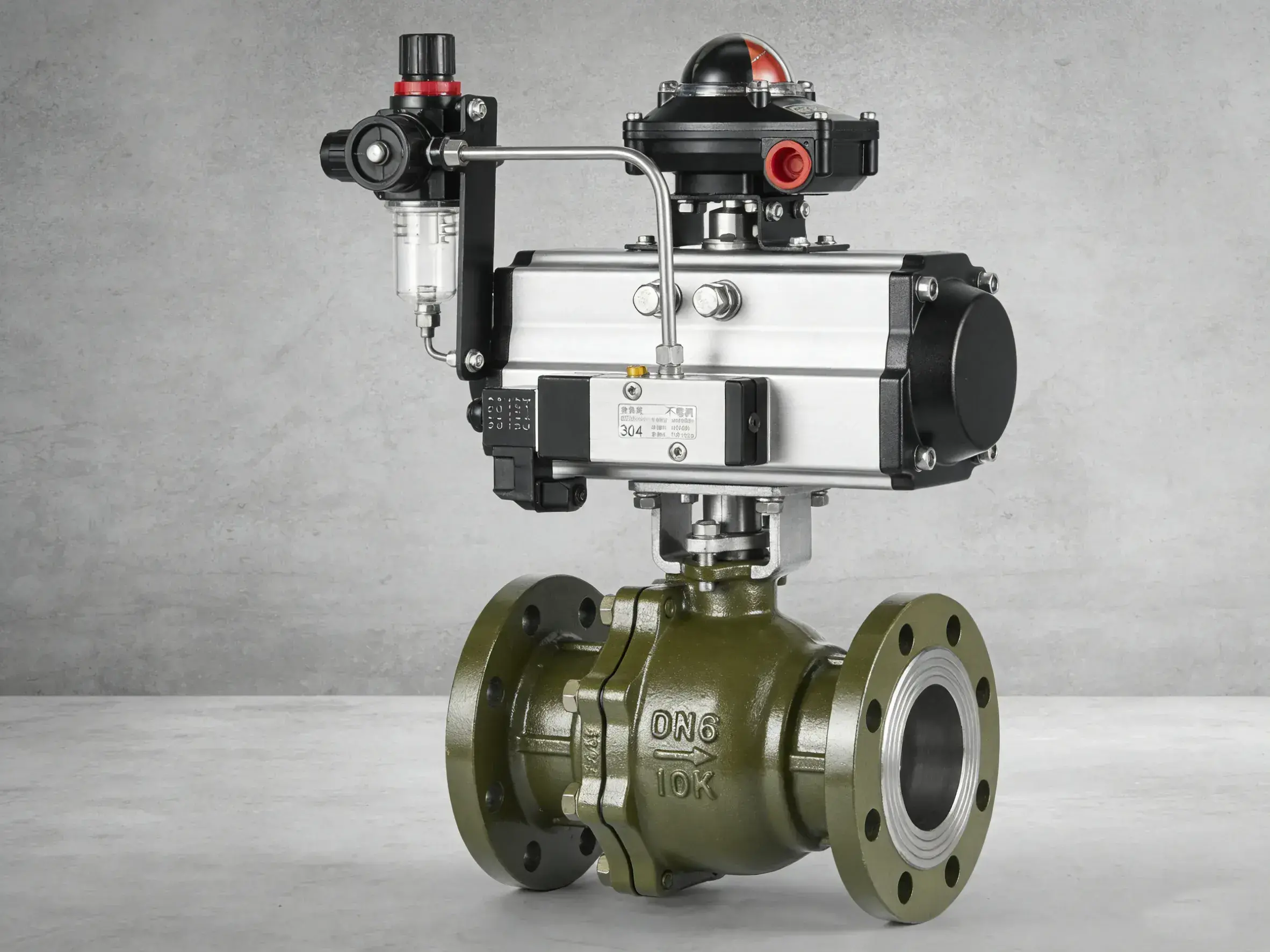
trade fair ready large diameter gate valve solutions?
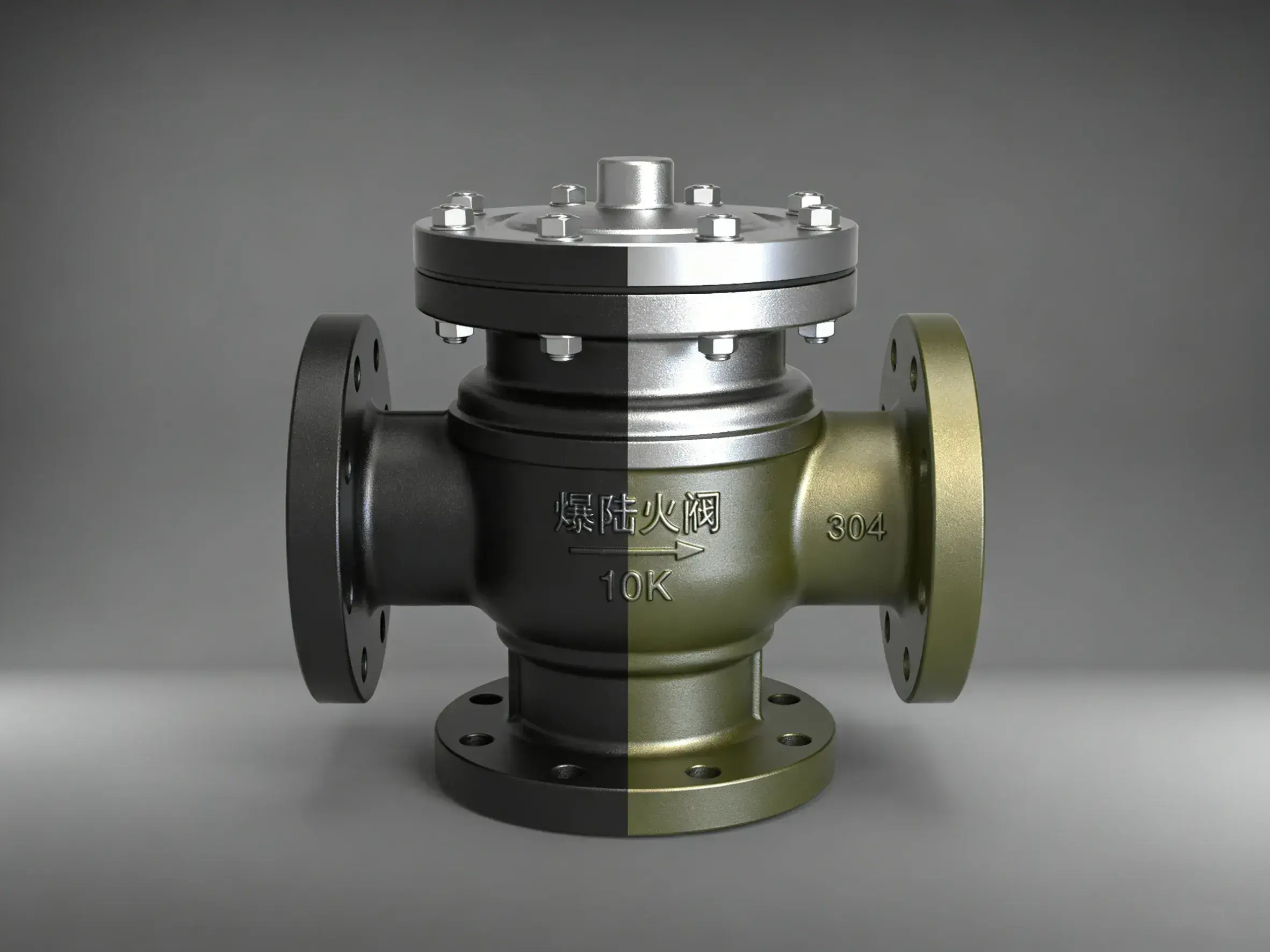
Paramount selection of valves for industry improves process performance and overall system performance. To warrant excellent operation, it is essential to conscientiously choose valves that fit application demands.
An inclusive valve selection resource has to analyze a array of variables like fluid properties, force magnitude, thermal parameters, flow amount, and steering demands. Additionally, establishing the needed valve operation model such as pneumatic, hydraulic, or electric is crucial.
Butterfly Valve Performance: A Comprehensive Analysis
Determining the optimal performance metrics for butterfly valves is crucial for engineers seeking to achieve efficient and reliable system functionality. The review outlines important criteria influencing butterfly valve effectiveness, integrating makeup features, condition factors, and validation practices. By in-depth analysis of such features, the content tries to furnish a full understanding of variables aiding butterfly valve success.
- Blueprint aspects markedly shape aggregate operation
- Elements forming valve enclosure critically dictate toughness amid assorted utilitarian backgrounds
- Flow restriction is a vital factor in assessing butterfly valve efficiency, particularly under high throughput demands
Ball Valve Applications in High-Pressure Systems
Ball valves become valued options for managing considerable pressure conditions. Their plain structure incorporates a circular pellet with a hole that turns to direct the flow of liquids. This assembly successfully faces boosted pressure occurrences by reason of its durable closure.
Within disciplines such as hydrocarbon processing, ball valves occupy an important role in regulating amplified pressure channels. Their robustness qualifies them as fit to resist the impact of raised pressure elements.
- Additionally, ball valves offer rapid actuation, facilitating immediate flow control.
- Available in a variety of materials and sizes, ball valves can be customized to meet the specific needs of different high-pressure applications.
Knowing Diverse Valve Kinds and Their Features
Throughout fluid mechanics, valves undertake a key role administering fluid and gas streams. Opting for the right valve category is critical for achieving optimal operation. Valves organize depending on their operability, blueprint, and implementational field. Popular valve classes incorporate gate, globe, check, ball, and butterfly samples. Each group demonstrates characteristic factors, enabling them for tailored deployments. As an example, gate valves manage flow fully, whereas globe valves offer precise adjustment of volume. Check valves hinder reverse flow, guaranteeing unidirectional movement. Ball valves deliver rapid and consistent on/off switching, whereas butterfly valves serve effectively in large volume operations.
Refining Liquid Control through Industrial Valves
Controlling liquid and gas currents plays a key role in multiple production systems. Industry valves hold a decisive position in managing liquid and vapor streams across frameworks. Applying relevant valve styles coupled with tactical control schemes assists organizations in augmenting process performance, risk reduction, and quality results.
A central part of maximizing flow regulation requires knowledge of assorted valve employments. Various valve constructions match particular fluid behaviors, tension intervals, and functional settings. For instance, globe valves are commonly employed for throttling flow, while ball valves excel in on-off applications.
Securing reliable flux oversight entails examination of considerations like valve size, driving instruments, and control policies. Employing innovative management tools like PLCs facilitates automatic fluid observation and calibration, improving production effectiveness.
Systematic servicing of plant valves is required for preventing shortcomings and upholding reliable flow operation. Detecting prospective problems promptly can reduce expensive stoppages and guarantee uninterrupted functioning of vital procedures.
Upkeep Guidelines for Manufacturing Valves
Scheduled servicing of industrial valve assemblies is important for preserving seamless and consistent operation in diverse workplaces. A thorough servicing schedule has to be developed, containing recurrent evaluations to identify uncertainties before major disruptions take place. Periodic greasing of valve parts observing maker's recommendations considerably raises operational timeframe and diminishes resistance. On top, maintaining valves cleared of debris facilitates effective productivity.
A comprehensive maintenance program should also include documentation of all activities performed on the valves, including dates, personnel involved, and parts replaced. Exact record-keeping propels evaluation of valve working state historically and assists strategic management for renewed preservation.
Automated Processes for Valve Handling
Automated systems have transformed valve operation across various sectors. Integrating automated frameworks empowers optimized valve handling, restricting manual efforts and amplifying production efficiency. Electronic valve function presents multiple benefits comprising higher accuracy, curtailed halts, and elevated protection
- Instrumentation holds vital importance in robotic valve configurations, offering continuous feedback on valve condition. These inputs are handled by process controllers to dynamically update valve positions
- PLC systems are often employed to manage automated valve operations, allowing for sophisticated control strategies. These platforms oversee valve condition, recognize malfunctions, and trigger resolution steps
In addition, computerized valve control supports refined operational monitoring. Compiling valve operational info aids managers in obtaining key insights to refine productivity and reduce outlays
Key Safety Precautions for Industrial Valve Deployment
Throughout installation of industrial valves, exhaustive security protocols are required. Bypassing essential safety requirements leads to harmful accidents, probably ending with plant breakdowns and significantly employee casualties. A systematic risk study requires execution ahead of fitting suspected threats and implementing fitting safeguards.
Ensure that every participant in installation efforts is skillfully trained and certified for industrial valve management and compliance with safety policies. Organize a reliable method of inspection cycles purposed to identify defects or decline in valve components. Manage detailed archives involving all setup, examination, and upkeep procedures to assist future maintenance
- Comply relevant industry standards and regulations governing valve installation and operation
- Deploy proper gear and hardware intended for production valve placement
- Communicate effectively with all stakeholders involved in the project to ensure a safe and efficient installation process
Valves: Fundamental Parts in Manufacturing Fields
Throughout the tangled network of industrial/processing/manufacturing realms, valves stand pivotal components. Their role is to direct the stream of liquids inside complicated setups, guaranteeing smooth performance and protection. Valves serve extensively in varied activities, comprising command of temperature variables and pressure parameters coupled with moving items
- Various valve groups emerge, each tailored to accomplish selected missions. Familiar samples feature gate, ball, and globe types
- Choosing the right valve relies on criteria like volume, force, heat, and fluid classification
- Robust valve functioning stands vital in industrial environments to deter outages and maintain product excellence
Periodic checking of valves remains vital for extending service life and curbing possible breakdowns
Advanced Materials in Valve Design and Manufacturing
The evolution of valve design and manufacturing is significantly influenced by the continuous exploration of advanced materials. These novel substances offer a range of superior properties compared to traditional alternatives, enabling engineers to create valves that are more efficient. Important instances comprise durable ceramics valued for toughness in harsh conditions, and slim alloys that enhance effectiveness while reducing mass. The integration of these advanced materials results in valves with improved sealing characteristics, increased lifespan, and enhanced resistance to corrosion
Valve Drive Technologies: A Comparative Investigation
{This investigation delves into the diverse valve actuation mechanisms prevalent in modern engineering applications|This exploration examines the varied valve drive technologies common in contemporary engineering uses|The study analyzes the mixed valve triggering systems typical in current engineering projects|This research evaluates the assorted valve motion methods widespread in advanced engineering scenarios|The survey inspects the multiple valve control techniques existing in up-to-date engineering solutions|This review considers the assorted valve operating mechanisms encountered in present-day engineering environments|This analysis explores the various valve activation systems found in progressive butterfly valve engineering implementations|The inquiry scrutinizes the heterogeneous valve act