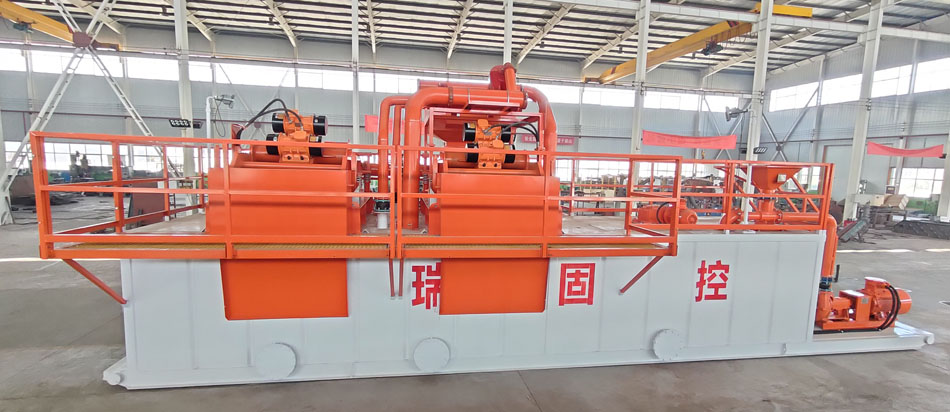
sector specific Drilling Waste Treatment turnkey packages?
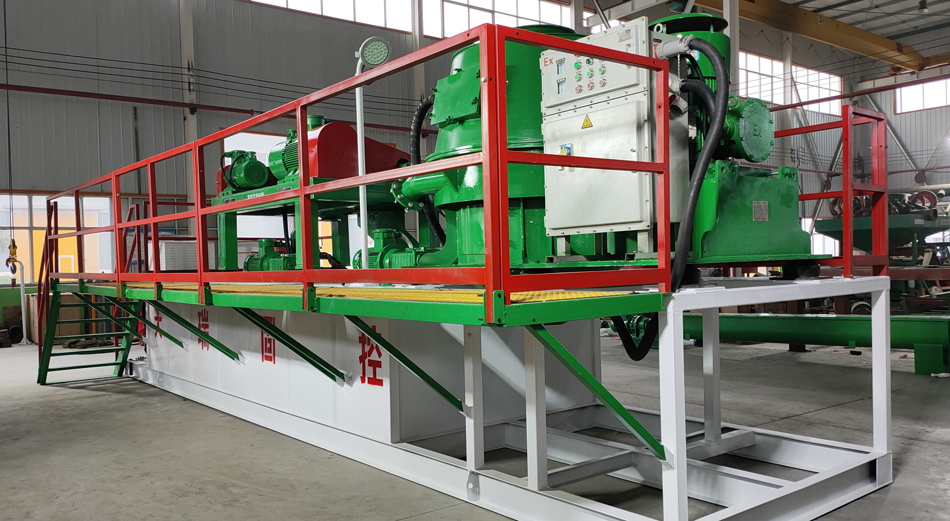
Within the demanding sectors of petroleum extraction efficient waste disposal of drilling materials TR Solids Control becomes crucial.
Vibratory shaker units serve a significant function in filtering waste and solids out of drilling fluids, thus providing prime borehole robustness and work efficiency. In pursuit of heightening their effectiveness, optimizing shaker unit operations entails unifying various variables. This implies determining an apt shaker style and mesh sizing with drilling criteria in mind, scheduled overhauls circumventing decline, and implementing premium procedures for slurry control. By thoroughly addressing these points, operators acquire essential enhancements related to drilling capability, residual control, and systemic functional preservation.
Prioritizing Shaker Screen Choice for Efficient Fluid Separation
Sound selection of shaker meshes affects optimal drilling solution separation. Such screens perform a fundamental role in eliminating sediment and debris from drilling fluids. Screen pore measurements must be extensively assessed according to fluid composition and particulate varieties. Picking unsuitable shaker screens can induce weakened dirt removal, impairing drilling task flow.
Efficient solid removal from drilling suspensions is pivotal for maintaining well integrity. Enhancing drilling success, extending operational term, and preventing strata injury. A precisely organized shaker mesh installation can considerably promote overall task throughput.
Leading-Edge Solutions for Sustainable Drilling Waste Treatment
Resource drilling procedures discharge vast amounts of drill remnants, leading to environmental dilemmas. To alleviate these problems, innovators relentlessly develop progressive purification methods. These techniques attempt to shrink waste scales and risks while regenerating key substances. Prominent developments encompass biological restoration, mechanical cleansing, and chemical remediation. Through these comprehensive tools, the industry drives green initiatives, cutting ecological harm and endorsing natural preservation.
Advancing Capability of Slurry Recycling Apparatus: Decreasing Eco Harm
Optimizing mud reuse techniques holds critical importance in decreasing eco impacts tied to infrastructural and manufacturing projects. Via proficiently recycling slurry, waste elimination needs drop notably, preserving resources and curtailing pollution. A superior slurry reclamation system should incorporate components guaranteeing peak performance. These consist of innovative sorting technologies, meticulous sanitation routines, and responsible handling methods for detritus. Likewise, consistent evaluations and skill building remain pivotal to guarantee system operation and mitigate ecological damage.
Comprehensive Approaches to Uniting Shale Separator and Slurry Reuse Systems
Crude oil and gas operators incessantly hunt fresh solutions to refine drilling performance. Drilling slurry refurbishment acts as a principal facet encouraging these missions. State-of-the-art unified solutions emerge to tackle the challenges posed by mud recycling mechanisms, offering numerous benefits. Integrated constructs merge various devices to amplify productivity, minimize pollution, and support total operational success. Eventually, they augment drilling procedures encompassing results and environmental welfare.
Upgrades in Filtration Technology for Drilling Detritus
The natural gas field continuously attempts to curtail eco issues stemming from operations. An important aspect centers on handling drilling leftover by means of efficient separation and filtering in drilling suspensions. Sophisticated improvements in purging and splitting technologies provide viable options to lower rubbish volumes and boost reuse or removal.
- Modern compound filters and carbon activations embody state-of-the-art agents garnering wide debris spans within drilling suspensions
- Sedimentation, rotation, and gravity-based approaches become more exact in separating liquids and solids in drilling wastes
- Mechanized, intelligent, and AI-assisted units embed within filtration and segregation mechanisms enhancing efficiency and surveillance
Plus, assessments move ahead in fresh detritus management approaches, including reconditioning by conversion.
Comprehending Shale Shakers' Role in Managing Drilling Fluid
Oscillating shaker devices perform vital tasks across hydrocarbon domains to expunge drilling detritus. Such detritus involves stone splinters, crystalline fragments, and other residuals accrued throughout drilling phases. Proper clearance of particulates safeguards fluid dynamics key to bit cooling, lubrication, and maintaining wellbore stability. Shale screens utilize oscillating motion to distinguish heavy particles from lighter fluid constituents. Isolated particles accumulate in collection devices and treated drilling fluids return to drilling platforms. Proper circulating control of fluids supports better drilling performance, expense savings, and minimal environmental footprint.
Optimal Shaker Mesh Design for Reduced Drilling Waste
Upgrading shaker screen structure acts as a vital element in minimizing drilling discards. Effective choice of shaker meshes substantially enhances particulate classification, reducing waste elimination burdens. Thorough analysis of perforation sizes, sieve arrangement, and fluid pace is imperative for superior functionality. These practices jointly back environmental stewardship by restricting quantities of created garbage.
Forecasting Drilling Waste Handling Innovations: Automated and Connected Solutions
Oil and gas sectors progressively adapt to meet growing business expectations and compliance standards. A vital point attracting notice involves waste treatment in drilling, utilizing automated and intelligent methodologies. With utilization of these advanced systems, the field significantly decreases environmental harm and optimizes processes.
Robotic monitors, computerized instruments, and sensor networks continuously aid prompt detection of drilling leftovers. Those systems generate critical observations giving clues indispensable for enhancing cleansing strategies and junk management. The collected information supports upgrading existing systems and crafting innovative solutions.
Also, innovative systems with AI, prediction, and analytical capabilities support hassle detection preemptively. This anticipative outlook supports fast resolutions, curtails ecological footprints, and blocks procedural breakdowns.
Concrete Reports Confirming Effectiveness of Shale Shaker and Mud Recycling Implementations
The oil and gas industry consistently endeavors new techniques to enhance drilling throughput and lessen ecological harm. Evaluations unveil important enhancements due to shale separator and mud reclamation technology implementation. The equipment critically supports drilling improvement by filtering solids from drilling liquids and competent reuse of fluids, delivering notable budget relief and waste lessening.
Latest verified studies illustrate deployment of shale separators in massive drilling activities. Profitable outcomes involve remarkable declines in fluid waste disposal costs and mitigated environmental influences. Also, recovered mud reveals upgraded traits encouraging enhanced well bore steadiness and fewer blowout occurrences.
- Multiple assessments demonstrate shaker equipment’s success in eliminating fragments from drilling suspensions, increasing gear longevity and reducing maintenance tasks
- Mud recycling setups have demonstrated success in cutting down water usage and lessening contaminated wastewater discharge into natural surroundings
Combining shale screen and drilling fluid recovery modules indicates a revolutionary change in drilling approaches, yielding notable fiscal and eco-friendly outcomes. Steady advancements alongside creative practical examples set these solutions for expanding roles in molding petroleum sector trajectories.
Increasing Shale Shaker Effectiveness by Economical Means
Increasing shaker mechanism capacity with cost minimization forms a key part in sensible natural resource drilling. Employing value-driven approaches can markedly boost shaker productivity and lower aggregate expenditures. Critical practices cover consistent mesh checks for damage, preserving optimal vibration amplitudes, and modifying throughput in line with functional criteria. Detecting challenges early and utilizing frugal remedies produces optimized function and robustness in shaker apparatuses.