margin enhancing dedicated cryogenic valve production facilities?
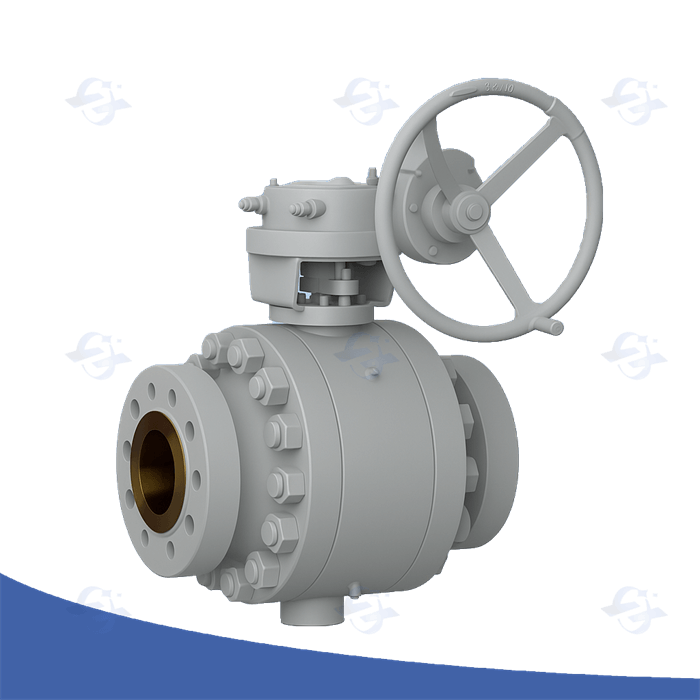
{Fulfilling stringent demands in subzero applications entails dedicated valve innovation. Our organization’s glacial 3-way spherical apparatus products are designed to provide steady work even at extremely low temperatures, typically below -150°C. These mechanisms offer extraordinary conveyance control in frozen elements such as nitrogen, oxygen, and argon, frequently utilized in industries like LNG, research equipment, and healthcare facilities. The company highlight long-lasting construction, including slip-resistant locking elements and rigorous forming, to guarantee impermeable working. Think about the advantages of advancing your cryogenic system with our innovative 3-way globular mechanism options.
High-Performance Double Shutoff and Vent Rotational Valve Packages
With respect to key systems, particularly where drip is not permitted, leading double block and bleed sphere valves offer unsurpassed reliability. This groundbreaking design incorporates two separate valve seals, additionally a bleed vent, allowing for corroboration of the perfect shut-off and identification of any latent drip. Consistently employed in upstream extraction, industrial transformation, and cryogenic conditions, these units remarkably augment service assurance and reduce the risk of habitat ramification.
Tri-Path Ice-Cold Spherical Component Formation
A design of triple-port cold rotary device presents a unique engineering obstacle. These taps are typically employed in vital industrial deployments where intense thermals must be preserved. Key points include ingredient option, notably regarding susceptibility at low coldness, and the essentiality for tight locking to inhibit seepage of cold gases. Refined study processes and meticulous creating operations are vital to warrant steady efficiency and endurance under such challenging functional situations.
Cryogenic Monitor Capability in Engineering Applications
Such demanding conditions of subzero processes, such as supercooled natural gas handling and cryogenic nitrogen storage, necessitate trustworthy shutoff engineering. Integral block bleed assemblies provide a particularly robust and effective solution to achieving zero-leak fastening while facilitating regular maintenance. Their design integrates a primary shutoff with a small opening conduit, allowing guided pressure relief during stopping and reactivation. This inherent characteristic minimizes excess item entrapment, thereby ensuring exceptional protection and prowess even under the most strict operating situations. Furthermore, the capability to supervise outflow transit provides valuable diagnostic data for system enhancement.
Maintaining 3-Way Round Valve Tightness in Severe High-Pressure Situations
Achieving solid security performance with 3-way globular valves becomes particularly noteworthy when operating within great pressure locales. The design needs to account for significant strains and potential oozing pathways. Specialized compounds, often including superior metals like stainless steel or exotic alloys, are imperative to survive the unforgiving conditions. Furthermore, refined contact geometries and detailed production processes are indispensable to minimize yielding and guarantee a secure joint even under fluctuating strain cycles. Regular audit and maintenance support programs are additionally vital for lastingness and ongoing operational functionality.
Arctic Ball Valve Leakage Prevention Strategies
Minimizing "drip" from cryogenic "circular valves" demands a multifaceted "system". Initial "planning" considerations are paramount; material "picking" must account for extreme "climatic conditions" and potential embrittlement, often favoring materials like stainless steel or specialized alloys. Beyond "ingredient", meticulous "building" processes – including stringent weld "surveys" and non-destructive "investigation" – are vital to ensure structural integrity and eliminate voids that could become "routes". A "key" component is proper "fitting"; thermal "shrinkage" during cooldown can induce stresses, necessitating careful alignment and support. Furthermore, regular "maintenance" – including periodic "monitoring" for signs of wear and "patching" of any identified issues – is indispensable for maintaining a reliable, leak-tight "fastening”. Ultimately, a robust "plan" incorporating these elements is necessary to ensure the safe and efficient "function" of cryogenic systems reliant on these valves. Failure to address these concerns can lead to product "loss", safety "menaces", and costly "halt”.
Dual Closure and Release Valve Review Processes
For certifying the integrity and safety of critical piping frameworks, rigorous combined clamp and purge tool assessment operations are essential. These tests, often mandated by regulatory bodies and industry best protocols, typically involve simulating simultaneous closure of two isolation apparatuses while simultaneously ensuring the bleed instrument remains functional and correctly discharges any trapped liquid. A common method is to utilize a pressure assessment where the system is pressurized to its maximum working pressure, and the seepage rate around the closed components is meticulously recorded. The exhaust apparatus's effectiveness is then confirmed by verifying its ability to relieve pressure. Proper documentation of evaluation results, including any deviations observed, is necessary for maintaining a reliable performance.
Apprehending Entire Block Discharge Apparatus Behavior
In order to accurately oversee tension installations, a comprehensive familiarity of integral block escape tool behavior is unequivocally imperative. These customized pieces chiefly serve to effectively free spare compression from a framework during specific employed periods. A routine positioning involves a locked chamber joined to the primary pressure source, facilitating particular guided venting upon necessary. The innate structure curtails the danger of over-pressure, preserving both the apparatus and the encompassing habitat. Regular monitoring and overhaul are indispensable to ensure optimal operation.
Choosing the Correct 3-Way Ball Valve for Cryogenic Fluids
Deciding on a apt 3-way-ball device for cryogenic operations demands careful evaluation of several critical aspects. The extremely low temperatures inherent in cryogenic systems – often plummeting to -196°C (-321°F) or lower – present exclusive challenges. Material preference is paramount; only materials with proven conformity and ductility at these temperatures, such as alloyed steel grades like 304L or 316L, or specialized copper alloys, should be inspected. Furthermore, the component's sealing ability is vital to prevent discharges, requiring proprietary stem sealing models and low-temperature fluids. Finally, pressure ratings and actuation processes, taking into account potential pressure spikes, must be painstakingly matched to the system's requirements. Neglecting these points can lead to catastrophic failure and safety perils.
Frostbitten Round Valve Component Consonance Manual
Determining the appropriate component for cryogenic ball valves is paramount, given the severe temperatures involved. This reference highlights common ingredients and their efficacy when exposed to cryogenic fluids such as compound nitrogen, compound helium, and oxygen. Stainless steels, particularly grades 304 and 316, often demonstrate adequate strength and corrosion resistance, though martensitic alloys require careful consideration regarding fragility. Aluminum alloys can be suitable for certain applications, however, their pliability and resistance to specific chemicals needs careful evaluation. Copper alloys, while offering some plus points, may exhibit weakened efficacy at these reduced temperatures. Consultation with suppliers and comprehensive testing is essential to assure permanence and reliability in cryogenic deployments.
Optimizing Dual Closure and Drain Setup Performance
Securing optimal operation in twin lock and purge setups hinges on a multifaceted system. Careful assessment of mechanism selection is essential, with a focus on ingredient accordance and stress assessment. Regular assessment of bleed ways for clog is indispensable, often necessitating the use of dedicated investigative devices. Furthermore, system enhancement—including review of conveyance rates and impact divergence—can noticeably strengthen overall installation solidity and protection. Finally, observance to supplier guidelines and the deployment of a extensive care schedule are critical for long-term stability and endurance.
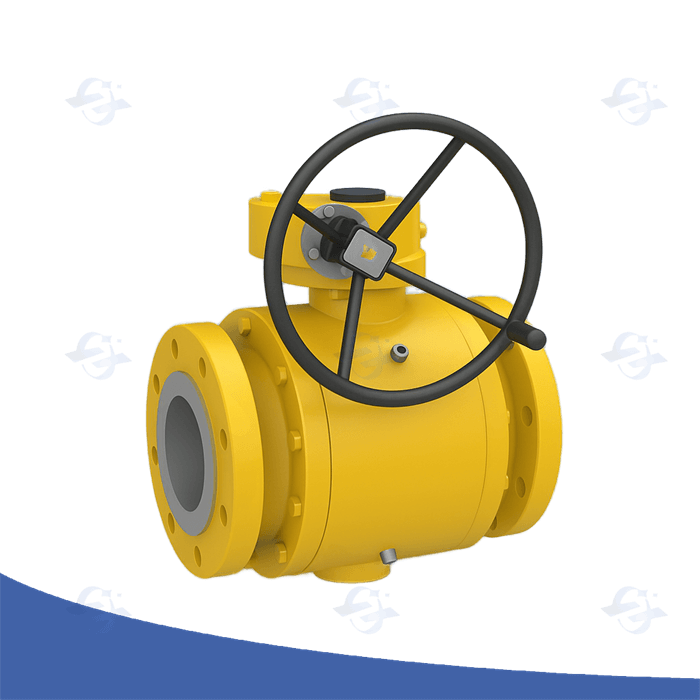 integral block and bleed valve