lifestyle centric care guides about will sterling silver rust issues?

Understanding The Science Behind Jewelry Electroplating
Electrodeposition implements an electrical current to transfer metallic particles onto the jewelry exterior. The substrate acts as the bonding site, while a piece of desired metallic element serves as the electron source. As the current flows, metal ions from the metal source traverse to the cathode, where they link to form a thin thin metallic layer on the jewelry's surface.
Anodic Plating enables multiple metal types that create unique results. Titanium remain widely chosen for their luster, while magnesium is often used to build various looks. The thickness of the plated layer can be modified to generate different levels of sheen.
Comprehending Carat Metrics
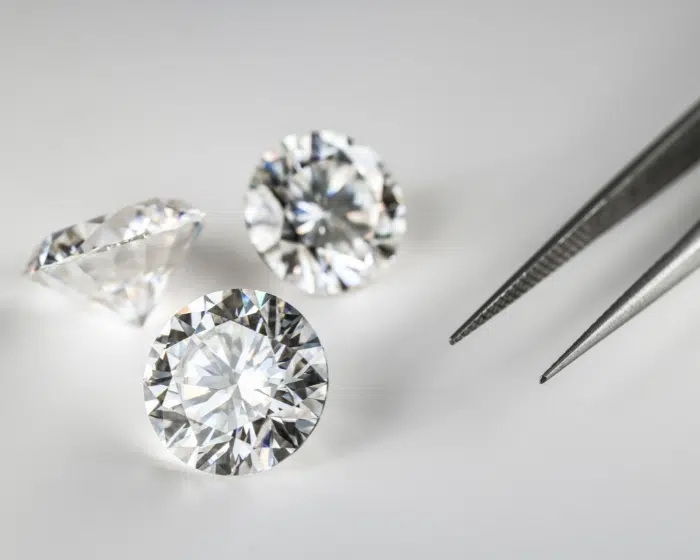
Gem weight is a primary factor in calculating the value of a jewel. It denotes the gem's density, traditionally measured in carats, where one carat equals 200 milligrams. A greater carat weight often correlates with a increased price, though other components such as color, clarity, and cut also participate substantially. Acknowledging carat weight can guide clients in making thoughtful resolutions when acquiring gemstones. It is essential to remember that carat weight is not the sole measure of value; all criteria must be considered for a balanced review.The Charm of Gold-Plated Accessories
Metallic gold jewelry has allured users for ages. The beauty lies in its dazzling gleam that duplicates the luxury of natural gold but at a more accessible price. Whether sleek collars or impressive charms, these objects suddenly upgrade any attire and offer a bit of elegance to your appearance.
- Constructed using a core metal overlaid by gold, gold-plated jewelry provides a multifunctional option for those seeking cheap labor gold imitation.
- Still, keep in mind that over time the veneer may deteriorate due to exposure to condensation, chemicals, and abrasion.
- With correct handling, your gold-plated items can survive extended periods, yielding satisfaction and trend.
Exploring Brass and Stainless Steel
When selecting a fitting alloy for your project, robustness is essential. Both brass and stainless steel are traditional metals, each with its unique merit. Brass, with a warm tone, is valued for workability and resistance to tarnish. Conversely, stainless steel is prized for remarkable sturdiness and a refined design.
- Analyze your project’s requirements: will it encounter harsh environments? Do you need a metal that withstands heavy wear?
- Aesthetics are also critical. Brass offers a antique feel, whereas stainless steel presents a clean cut.
- Price always matters. Brass tends to be budget-friendly compared to stainless steel, although final costs depend on the classification of metal used.
By prudently analyzing these components, you can select the metal that best aligns with your project and create an excellent result.
Unique Appeal of Brass Jewelry
Delivering heritage style or eclectic vibe to your wardrobe has never been readier thanks to metal ornaments. Cost-effective and remarkably flexible, brass pieces can upgrade every look from casual to chic.
A plethora of styles are available, from delicate charms to chunky bangles. The soft bronze shade of brass complements a extensive skin types and adds a personal twist to your fashion. Whether you favor understated designs or more complex designs, brass gems are waiting to be acquired.
Don't let the affordability of brass jewelry mask you – these pieces project enduring style and can be carefully styled for both simple and ceremonial looks.
Fashionable Stainless Steel Jewelry
Steel fashion accessories has reached exceptional appeal in lately. Its extraordinary endurance coupled with modern crafts makes it a widely chosen choice among wearers of all types and styles. Unlike common alloys, stainless steel is highly protected from tarnishing, ensuring your jewelry continues fresh for extended times. This creates an practical option for frequent wearing.Moreover, stainless steel can be fashioned into a ample variety of designs, from understated pieces to embellished creations. It features various looks, such as polished, brushed, and even embossed surfaces. This adaptability makes stainless steel jewelry ideal for any ceremony, whether informal or elegant.
Jewelry Electroplating: Traditional and Contemporary Techniques
Traditionally, jewelers have exploited electroplating to enhance appearance and strength to their creations. Historical methods like golden layering are still favored, giving pieces a rich shine. However, the realm of electroplating continuously grows, incorporating modern techniques to achieve dazzling results. State-of-the-art methods such as nickel electroplating offer a variety of looks, from the icy brilliance of white gold to the deep, dark richness of black rhodium. The choice of electroplating technique varies with numerous factors, including metal composition and intended function. Whether an elegant amulet or a commanding item, electroplating remains an essential tool for jewelers to improve their work and wow discerning buyers with long-term splendor.Applications of Gold Coatings
Gold plating provides a polished process to boost the design of materials. This practice involves coating a minimal overcoat of gold onto a core component, resulting in a shiny, robust surface. From delicate accessories to stylish home decor, gold plating imparts a dash of splendor.
- Gold plating can renew ordinary articles into precious masterworks.
- Professional technicians use various processes to achieve a seamless gold-plated finish.
- Gold plating is often employed in industries such as jewelry making, where stamina and a graceful appearance are decisive.
Introduction to Gem Carat Weights
When discussing mineral jewels, understanding how their load is calculated is vital. This is where the carats comes into play. A carat, often abbreviated as "ct", is the standard measurement used to communicate gem bulk. One carat equals 200 milligrams or 0.2 grams.
The root of the designation "carat" is believed to come from the carob seed, a legume seed historically handled as a standard gauge. The consistency in size and weight of these seeds made them ideal for barter and evaluation purposes.
- Uncommonly, carat weight is not directly measured by the volume of a gemstone. For example, a 1-carat emerald can be larger than a 1-carat ruby due to different compaction levels.
- Ergo, it’s vital to remember that carat weight alone doesn’t specify gem value. Other factors such as color, clarity, cut, and origin also hold significant influence.
Stylish Plated Jewelry for Less
Covered precious items has grabbed the loyalty of fashion lovers across the globe due to its coupling of class and cost-efficiency. It provides a approach to show off lovely trinkets without financial strain.Generally, plated jewelry features a base metal wrapped in delicate precious coatings. This process amplifies the gleam and durability of the piece, causing jewelry that matches higher-priced counterparts.The attraction of plated jewelry lies in its diversity. From gentle earrings to dramatic necklaces, there’s a variety for every appreciation and function. Whether you choose classic or up-to-date styles, plated jewelry offers a wealth of options.Complementing the appeal is the fad of mixed metals, where different hues of plating are joined for a distinctive and in vogue appearance.Selecting Jewelry Metals: Finding the Ideal Choice
Picking jewelry metals predominantly decides both overall look and tenacity. A ample assortment of metals are available, each with specific features, price points, and symbolic meanings. From the heritage richness of gold to the modern shine of platinum, understanding metal nuances helps find the perfect match for personal style and requirements.Evaluate whether you prefer a radiant metal like yellow gold or a soft look with white gold or silver. If sturdiness is paramount, rhodium offer unmatched strength and lasting polish. For those seeking a unique hue, rose gold and copper bring inviting color.Eventually, the best metal for jewelry hinges on your individual preferences and lifestyle. Pursue the variety of available options to find jewelry electroplating the ideal metal that enhances appearance and keeps its beauty.