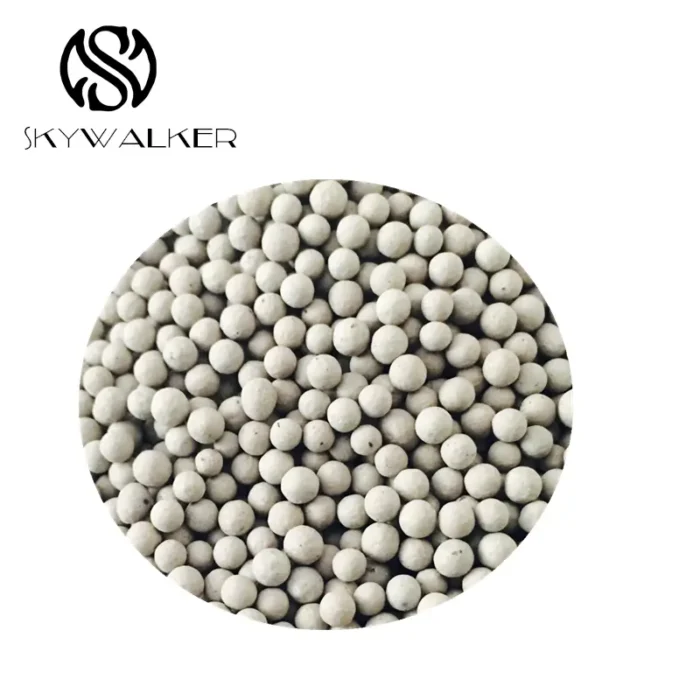
How does oil decolorizing clay choice influence your oil’s market positioning?

Assimilating enhanced bleaching mineral implies a comprehensive inspection of its elements. This unique object is usually applied in the treatment of hydrocarbons, efficiently clearing unwanted matter. The preparation method typically involves physical treatment, amplifying its holding capacity to attract colored agents. Conclusively, this report will review the mechanism behind activated bleaching earth and its functions.
Lightening Aggregate Partners: Obtaining the Right Supplier
Acquiring a credible distributor of refining agent is required for many enterprises, particularly those involved in petroleum treatment. Finding the best source requires rigorous consideration beyond just fee. Consider their proficiency in whitening compound sourcing, their inspection procedures, and their efficiency to consistently deliver your output needs. A established bleaching earth source will also offer help and a selection of grades to match your particular application.
This Theory Behind Refined Clarifying Material
Treated bleaching earth, a cornerstone in the refining operation for edible oils, functions through a fascinating amalgamation of concrete and chemical engagements. Initially, naturally occurring kaolinite is activated – a process involving heat and solvents – to drastically increase its surface area. This expanded surface yields an immense number of zones for the precise adsorption of color pigments, residues, and unwanted odor compounds. The mechanism is primarily adsorption, where molecules are held by weak van der Waals associations, though some interactional adsorption can also manifest with certain materials. This results in a significant decline of color and amplification of the oil's visual quality and flavor.
Lightening Compound - Characteristics and Benefits
De-colorizing material, frequently termed kaolinite, displays unique specifications that cause it extremely desirable across diverse range of domains. Its chief attribute is its notable luminosity, stemming from its minor oxide volume. This characteristic causes it apt for applications necessitating a bright display. Aside from its pigmentation, whitening aggregate is typically pliable and has notable plasticity, empowering it to be effectively cast. Regular functions contain writing generation, compound fortification, drug preparations, aesthetic wares, and as an desiccant medium in several processing functions. Moreover, it finds deployment in artificial minerals and pigment markets.
Appointing the Ideal Prepared Lightening Soil for The Demands
Electing the correct refining material can be a intricate activity, as various applications depend on varying properties. Assess the form of fluid you’re adsorbent clay working with; some earth are optimal for botanical oils, while separate classes are optimized towards fish fats. Considerations like texture and clarification strength profoundly influence success.
- Assess the hue and scent level of the substance to identify the desired lightening proportion.
- Study the variation; diminutive particles generally supply expanded surface area, but may generate purification challenges.
- Fathom the wetness proportion as it determines the earth’s decolorization ability.
Purifying Substance: Production Methods and Evaluation
The development of bleaching earth, a widely utilized component for oil refining and chemical purification, involves several key actions. Initially, claystone is extracted and then subjected to modification via heat effect and/or chemical adjustment. This process enhances the absorptive properties of the soil. Then, rigorous excellence inspections are implemented, including calculations of element size arrangement, oil adsorption strength, and wetness level. High-tech analytical procedures, such as particle size analysis and certified evaluation, are utilized to verify a steady output that aligns with stringent standards.
Sustainable Sourcing of Improved Bleaching Material
The ascending demand for activated bleaching earth presents a important challenge regarding its extraction and environmental result. Standard sourcing methods can trigger habitat damage and attrition of natural resources. Consequently, a change towards sustainable sourcing is paramount. This involves promoting practices like replanting of mined areas, recycling waste byproducts from other industries for generation, and partnering with domestic communities to guarantee ethical and moral mining practices. Furthermore, confirmation schemes and thorough evaluation processes are needed to validate that the soil is sourced in a truly low-impact manner. Factors should also include decreasing capacity consumption during treatment and aqueous medium usage.
- Replanting efforts
- Repurposing waste materials
- Backing local communities
- Verification schemes
De-colorizing Soil Provider Guide: Chief Companies Listed
Selecting a reputable adsorbent manufacturer can be a problem, but our comprehensive database aims to simplify the process. We’ve diligently accumulated data and indexed leading companies in the bleaching earth sector. This overview highlights significant producers known for their merit and service, allowing purchasers to identify the leading source for their specialized needs. Various factors, including output volume, selection, and ratings, were analyzed in determining these greatest orders.
Perceiving Activated Bleaching Earth Performance Metrics
To effectively assess the efficiency of activated bleaching earth, it’s essential to comprehend key functional metrics. These criteria often include color rating, typically measured using a gauge, which expresses the earth’s ability to extract color from oils. What’s more, acid degree is vital, as it modifies the bleaching process; a higher intensity usually aligns with improved whitening capabilities. Finally, capturing area, often gauged via BET analysis, markedly impacts the earth’s capacity to retain colorants, ultimately shaping its overall lightening efficiency.