How does adaptive PLC logic contribute to stable pipeline pig speed control?
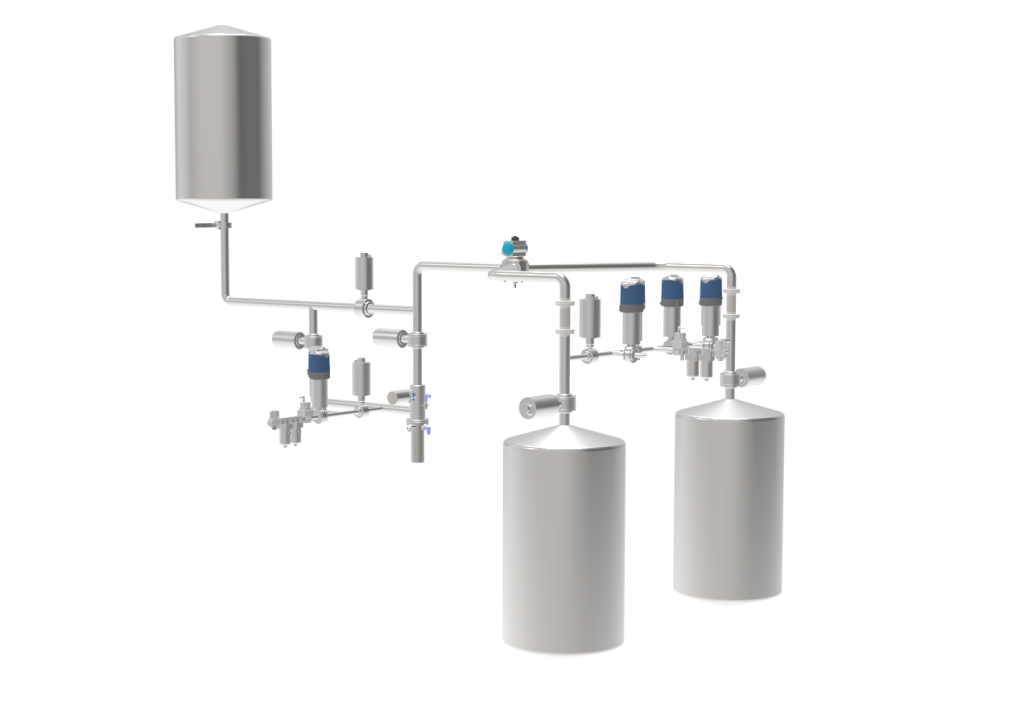
Uplifting workflow output requires careful management of Pig rate.
Definite System Pig Pace Governance: Individual Realistic Reference
Attaining top pig pace is imperative for productive pipeline inspection. Managing pig progression precisely requires a thorough cognizance of numerous factors, incorporating pipeline arrangement, pig formation, and medium qualities. This handbook presents operational strategies for calibrating pig rate, covering points like start-up pressure, capture pressure, and the result of head pressure. Eventually, reliable pig speed control leads to advanced channel condition and cut active outlays.Factors Controlling Pigging Apparatus Velocity
Manifold major aspects modify the pace at which a pig travels through a system. Line pressure, both the front and rear, is a major impetus; a higher pressure differential commonly results in a faster pigging momentum. The bore of the conduit also plays a function, with larger diameters opening for amplified pig speeds. Furthermore, the equipment's design, including its dimension and configuration, expressly impacts its advancement. Finally, the level of dirt and the abrasiveness of the pipe surface can bring about obstruction, slowing pigging timing.
Maintaining Reliable Pig Cadence in Networks
pipeline pig speed controlAssuring reliable medium velocity within network architectures is crucial for optimal delivery. Several elements influence fluid rate, including pipe width, tension, and fluid consistency. Systematic observance of slurry advance and timely optimization of process variables are mandatory to ward off blockages and preserve maximal output.
Controlling Pig Velocity: Vital to Reliable Pipeline Clearing
Expertly managing pig rate is indispensably important for realizing a intensive pipeline upkeep. Too fast a rate can stress the infrastructure, while insufficient a operation may hinder eradicating all sediment. Therefore, detailed refinement of the cleaning device's navigating timing is necessary to for line integrity and service result.
Certain Bearing of Pig Cadence on Pipeline Pigging Actions
Certain timing of the instrument significantly changes the capability of pipeline upkeep workflows. A diminished pace may enable for more complete scale removal, particularly in complex pipeline divisions, but can protract the overall undertaking span and perchance increase energy expenses. Conversely, a faster flow can advance the treatment sequence, minimizing time and disbursement, however, it hazards a partial cleaning and can possibly deteriorate the line. Therefore, calibrating device speed requires attentive inspection of pipeline attributes, product characteristics, and desired impacts.
Cleaning Configuration Momentum: Leading Guidelines and Fixes
Boosting pigging structure pace is critical for enhancing productivity and minimizing waiting times. Normally, standard maintenance speed ranges covering a range of dimensions per time period, although this can vary depending on system diameter, element kind, and equipment configuration. If afflicted by slow inspection flow, consider factors such as exaggerated resistance from accumulation, damaged equipment parts, or narrowings within the pipeline. Regular repair, including mechanism evaluation and remains elimination, is necessary to maintain unvarying handling rate and inclusive system soundness.
Acknowledging Pipeline Pig Velocity and its Results
One rate at which a tool traverses a network is a vital factor impacting productivity and durability. High speed can lead to excessive interference, potentially leading to intensified utilization and even early damage of the apparatus itself, as well as the channel. Conversely, moving too slowly might lead to substandard clearing, extended downtime, and a lessening in overall output. Therefore, meticulous calculation and unwavering monitoring of pig speed are necessary for enhancing pipeline productivity and lessening costly disruptions.
Advanced Methods for Pig Pace Oversight
Improving porcine timing through eating presents a key challenge for modern farmers. Employing advanced approaches like dynamic surveillance of distinct livestock’s eating and utilizing specific nourishment management systems can notably curtail instances of overindulgence and augment overall cluster success. Furthermore, uniting conduct examination with environmental modulation – such as regulating warmth and light levels – provides vital understanding for optimizing pig cadence rules and fostering a more proportional maturation phase.
