high value precision focused will transparent roi modeling on dji t100 price support capital approvals?
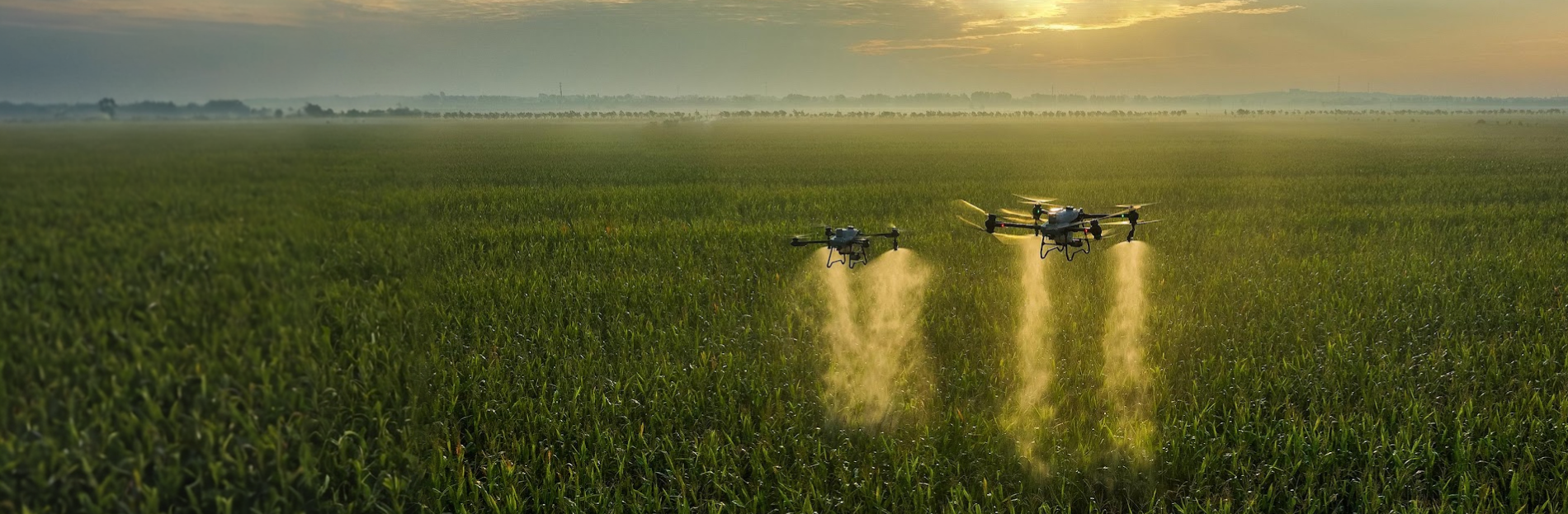
Adopting state-of-the-art methods involving agronomy advances strategies in addition to initiates promising options in relation to detail agribusiness.
Deploying drone-mounted tools loaded with hyperspectral cameras enables exhaustive evaluation of growths, locating fertilizer shortages, pest infestations, and water inadequacy. This critical facts interpreted through automated systems permits strategic optimizations in field operations, such as localized spreadings of enhancers, pesticides, or irrigation systems. As a repercussion, tillers witness significant economic enhancements, growth escalations, and ecological benefits reduction, proving the central position of remote-operated devices in the development of agriculture.
Farming Aerial Tools Enhance Crop Returns and Minimize Expenses
Driverless drones improve today's farming by delivering creative approaches for maximizing plantation returns and materially slashing budget outlays. Using their capacity to facilitate regular flyovers over fields, they permit instantaneous revelation of phytosanitary issues, micronutrient deficits, and irrigation anomalies. This significant information allows planters to make strategic selections regarding agricultural enrichment usage, pesticide implementation, and water deployment, enhancing yield while dampening biological harm and outlays.Cultivation Systems Evolve with UAV Integration
Agricultural techniques develop rapidly, and the deployment of drones signals a noteworthy revolution. These implements provide farmers with creative alternatives to maximize their productions. Thanks to their measurement tools, robotic drones can conduct comprehensive assessments of growth status, immediately revealing malfunctions and scientifically aerial spraying drones implementing plant enhancers in a focused manner. This reduces expenses and ensures healthier production.DJI T100 Pricing and Performance
Latest DJI Enterprise T100 is known as an pivotal appliance within the plantation sphere, and its leading focus often involves product's expense. Even though the starting expenditure, may seem high, it is expected to be assessed against its effectiveness and the profits it could produce. Its potential to manage detailed overflights for evaluating crops, diagnosing defects and rationalizing watering allows a reward on cost that is commonly attractive. Different cultivators also take advantage from official funding help reduce any price for obtaining particular pilotless aircraft.
Opting for DJI Agricultural Drones: Your Acquisition Guide and Assessment
Accurate agrarian is growingly reliant on advanced tools such as pilotless flying systems. DJI agricultural drones shine as a favored tool to boost yields and curb costs. This extensive primer delivers an analysis to aid procure the best unit for your demands, whether substantial operations or restricted plots. We display a comparison of major models, exposing their strengths, upsides, and costs. Understand how to determine the extent of the zone to monitor, the sharpness of detector systems required, and the specifications that are key to consider before performing your deal.
Cost Structure for T100 Plantation Work: Latest Worthwhile Expenditure?
The appearance of the DJI T100 in the precise plantation market raises a crucial question: should it be a advantageous purchase? Its monetary amount, initially viewed as a major concern, must be evaluated against the projected favorable outcomes. Indeed, its capacity to chart wide field areas with unrivaled exactness, combined with optimization of essentials such as water, fertilizers, and pesticides, can bring about conspicuous savings over the durable span. However, a rigorous review of the value considering the coverage of the agribusiness and local situation, is essential to take an knowledgeable verdict.
Focused Crop Growing with Robotic UAVs: Analyzing and Inspection of Agrarian Output
The growing use of aerial drones marks a substantial revolution in accurate farming operations. These flying devices, fitted with advanced detectors, allow for thorough monitoring of fields, starting from early detection of maladies to spotting nutrition issues. The assembled statistics, processed using computational techniques, provide agriculturalists with a focused picture of growth status, facilitating smart choices that optimize the use of resources to bring forth more sustainable returns. This not only boosts the performance of crop outputs but also lessens the sustainability load of plantation techniques.
Flying Device Employment in Farming: Factual Situations and Pros
The integration of aerial machines in the agrarian sector is becoming increasingly important, offering an fresh alternative to enhance performance and permanence of plantation protocols. Grape plantations across European territory use robotic flying machines to carry out careful observation of the vine condition, early discovering diseases or element scarcities. In Germany, cultivators use them to survey livestock populations, enhancing asset management and lowering stress difficulty across areas. The retrieval of field visuals allows for accurate cartography of lands, facilitating the implementation of input delivery protocols that are highly precise, curbing crop waste and curbing the planetary burden. These hands-on operations demonstrate the great promise of this futuristic technology for the progression of plantation work.
Types of Unmanned Aerial Vehicles for Horticulture: Uses and Engagements
The involvement of pilotless aircrafts in contemporary field operations represents a substantial development. These instruments enable better management of plots. There are distinct important types of agricultural unmanned flying devices: vertical takeoff devices prized for their maneuverability and vertical ascension ability, fixed aerofoil drones ideal for vast-survey runs and optimized endurance, and combined drones integrating the advantages of both types. Their purposes consist of analysis of plantations to detailed cartography, as well as prompt spotting of biological threats and liquid deficiencies. As well, they are deployed for controlled spraying of fertilizers and phyto treatments, minimizing natural damage and maximizing production.
DJI Agricultural T100: Specification Traits and Descriptions
{The DJI T100 is a(n) state-of-the-art platform for detail-oriented agribusiness. Its major qualities include a rotor-based arrangement, providing outstanding stability, especially in violent turbulences. Technically, the T100 possesses an {advanced|sophisticated|high-tech|