field specific runtime extended agriculture airframes?
Initiating
Plant covers yield diverse gains to ground vitality and agricultural practices. Seeking to raise these returns, agriculturists are significantly utilizing futuristic mechanisms like accurate sky sowing. This practice leverages drones equipped with measuring devices to precisely cast vegetative seeds directly into the field. By augmenting seed dispersion and clustering, precision aerial seeding supports resilient cover crop growths, which enhance to better soil composition.
Unmanned Aerial Application Revolution
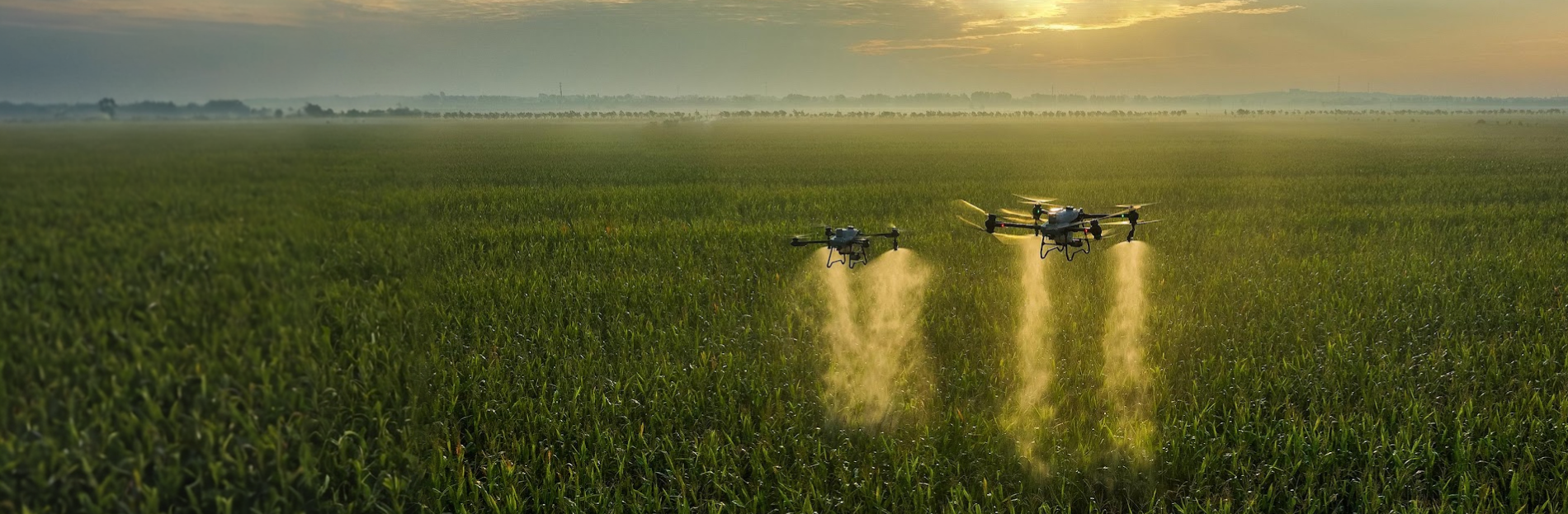
Remote aerial platforms have arisen as a advanced means in agriculture, supplying a novel strategy to plant care. These autonomous aircraft are fitted with leading-edge spray technologies that can effectively distribute pesticides to agricultural lands with slight environmental consequence. Compared to classic practices, drone spraying ensures several advantages. First, it facilitates for concentrated application of solutions, reducing the overall volume used and curtailing scattering. Second, drones can service hard-to-reach locations that are generally forbidden to ground-based equipment. This improves coverage and output. Finally, drone spraying cuts down labor costs and deploys farmworkers for other functions. By means of the use of drones in agriculture, growers can maximize yields, decrease production costs, and support sustainable farming systems.The Power of Drones in Agriculture: Precision Crop Care
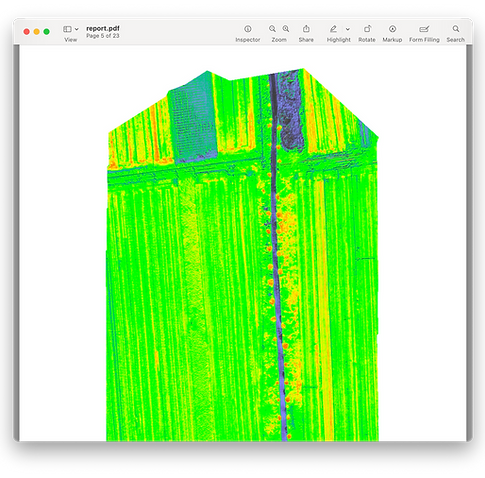
Current plantation management is growingly utilizing state-of-the-art methods to raise outcomes and crop production. Among these, drones are emerging as a leading breakthrough, offering specific crop protection approaches. Equipped with high-definition sensors and gauges, drones can promptly survey wide-ranging fields, recognizing infestations at their beginning moments. This real-time intelligence allows growers to implement targeted actions only where wanted, minimizing the use of biocides and diminishing greenhouse effects.
- What's more, drones can be used for other important functions such as fertilizer application, ensuring best crop growth and amplifying overall productivity.
- As a result, the integration of drones in agriculture provides a eco-friendly future, developing farming systems for a more robust food supply.
Optimizing Agricultural Yield with DJI Sprayer Drones
DJI sprayer drones upgrading today's agriculture by delivering farmers with a cutting-edge tool for crop defense. These UAVs can instantly cover massive areas, specifically applying crop feed and crop control chemicals to crops. This precise application decreases the amount of materials used, safeguarding the environment and enhancing overall crop yield.
Aviation Seeding: Promoting Green Growth
Drone seeding provides a breakthrough approach to ecological restoration, offering a sustainable solution for renewing degraded ecosystems. By casting seeds from the air, this methodology allows for extensive coverage of vast plots, overcoming challenges posed by older strategies. Aerial seeding supports the recovery of native vegetation, contributing to species variety.
Moreover, aerial seeding lowers labor costs, simplifying the reforestation system. This approach holds marked potential for defeating forest destruction and nurturing a more sustainable future.
Modernizing Farming with Drone Technology
Flying robots are rapidly changing the landscape of cultivation. These remote aerial devices provide cultivators several benefits, increasing efficiency and yield. Drones can observe crops from above, drones and farming recognizing areas that need attention. This timely detection facilitates farmers to fix issues earlier than they become, decreasing crop damage and increasing yields. Also, drones can spread fertilizers and pesticides with fineness, lowering the amount of substances used and curtailing environmental impact. This earth-friendly approach to farming is developing in usage as farmers seek to increase their operations while protecting the planet.Drone Advances in Targeted Farming
Smart farming is reshaping the way crops are raised, and drones are playing a significant role in this progression. Equipped with refined measurement tools and cameras, these unmanned aerial vehicles provide farmers with invaluable insights about their fields, enabling them to make more informed decisions. Drones can track vast areas of land instantaneously, recognizing issues such as nutrient deficiencies, pest infestations, or irrigation problems. This real-time scrutiny allows farmers to resolve specific areas in need, refining resource application and improving crop yields.
Also, drones can be used for a collection of other tasks in precision agriculture, such as delivering fertilizers or pesticides with greater accuracy and performance. They can also be used for sowing crops, contouring fields, and even monitoring livestock. The versatility of drones makes them an important tool for modern farmers who are seeking to increase growth, reduce costs, and minimize their environmental consequence.
Extending Beyond the Horizon: Aerial Coverage for Maximum Impact
In current fast-paced world, capturing unrivaled coverage is crucial for obtaining success. Flying outlooks offer a exceptional and powerful way to record events, landscapes, or projects in a way that traditional ground-level coverage is inferior to. From photographing stunning aerial photography to delivering critical insights through drone mapping, the possibilities are vast. By employing aerial coverage, businesses and organizations can boost their impact, sharing stories in a way that is both gripping and knowledgeable.
Drone Innovations in Crop Protection
Current agriculture is increasingly welcoming innovative techniques to strengthen crop performance. Among these developments, drone-based spraying has materialized as a game-changing approach for precise pest management. Drones equipped with specialized spray nozzles can accurately apply plant protectants directly to target areas, minimizing loss. This targeted application restrains the overall mass of chemicals required, contributing to a more eco-friendly farming process. Furthermore, drones can quickly cover large territories, saving time and manpower compared to traditional spraying methods.
- Upsides of drone-based spraying include:
- Boosted precision in application,
- Lessened chemical usage,
- Elevated crop health,
- Resourcefulness
Modernizing the Landscape of Cover Crop Establishment
The agricultural industry is facing a major shift with the advent of drones in cover crop establishment. These unmanned aerial vehicles offer unprecedented precision and efficiency, reshaping traditional methods. Drones can correctly sow seeds across large areas, ensuring uniform coverage and increasing germination rates. This technology also allows for immediate monitoring of cover crop growth, enabling farmers to locate potential issues early on and execute timely interventions. Furthermore, drones can limit labor costs and environmental impact by lessening the need for manual seeding and chemical applications.
The adoption of drones in cover crop establishment grants a resource-efficient solution for enhancing agricultural practices. By applying the power of drone technology, farmers can augment crop yields, optimize soil health, and add to a more responsible food system.
Refining Crop Production via Aerial Technologies
Flight-deployed seeding and spraying have materialized as revolutionary tools in precision agriculture, facilitating farmers to improve crop yields and resource application. By making use of specialized aircraft equipped with modern technology, these practices enable the precise application of seeds and plant nutrients directly to fields. This targeted approach limits waste and strengthens crop health by distributing essential inputs exactly where they are needed.
- Equally important, aerial seeding allows for the planting of crops in areas that are obstructed plots using traditional methods, expanding farming possibilities and adding agricultural production.
- Together, aerial spraying provides a quick means of applying treatments to focus on precise troubles, minimizing the risk of dissemination and safeguarding crop health.
Consequently, aerial seeding and spraying embody the impact of precision agriculture in modernizing farming practices. By leveraging innovative technologies, these methods facilitate earth-friendly food production, ensuring a abundant agricultural sector for the future.