downtime cutting customer centric collector rings care?
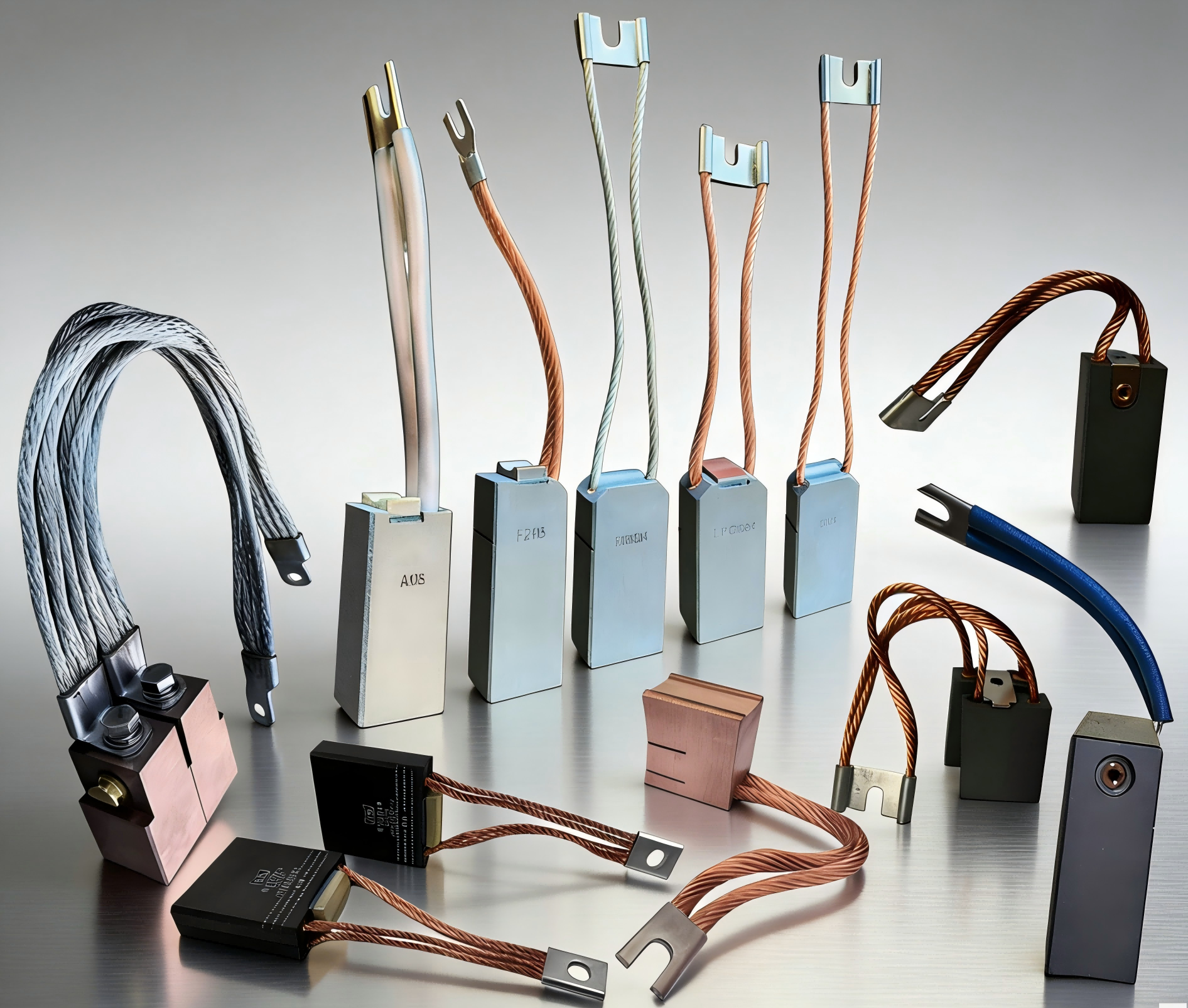
Protecting superior effectiveness plus endurance via that electrical brushes, distinct proactive method exists as crucial. Frequently check the cleaning brushes to identify signs of degradation, like breaks alternatively overabundant wear. Preserving correct contact coupling the brush and commutator is fundamental. It is possible using aligning the screws securing brush holders to achieve a tight clamp without extra stress. Also, continuing holders immaculate and devoid Carbon brushes of residue encourages uninterrupted functioning. For optimal performance, schedule brush replacements regularly as per producer’s directions. Conscientiously serviced brushes offer steadfast energy flow and boost apparatus service length.
Guide to Optimal Carbon Brush Holder Choices
With respect to brush holder design or selection for electric engines, many facets necessitate cautious scrutiny. Brush holder configuration crucially determines brush efficiency, durability, and complete capability. Ensuring premium performance and duration relies on choosing a holder matching the motor’s precise criteria.
- Assorted influencers determine ideal holder configurations, accounting for motor specifics, voltage and current measures, environmental factors, and performance aims.
- Material decisions crucially affect holder performance Common choices are copper alloys, polymers, and ceramic ingredients, all presenting distinctive conductibility, hardness, and thermal endurance.
- Blueprint and setup for brushes further contribute importantly The number, size, and arrangement of brushes must be carefully determined to ensure proper current flow and contact with the commutator.
What is more, the holder construction should comprise properties mitigating brush wear, friction, and electrical sparking. Regularly entails fitting springs, fasteners, connectors to keep steady brush compression and ventilation, refrigeration, thermal management devices to prevent heat buildup.
Expert Slip Ring Structure and Material Assessment for High Reliability
The lastingness of rotating ring systems is profoundly affected by the grade of their elements. Production customs deeply shape ongoing security. Most often used components cover copper, brass, bronze for contact points, combined with insulators like mica or epoxy supplying electric partition. Contemporary slip ring blueprints typically integrate elements such as self-greasing, enclosed, dirt-proof bearings reducing abrasion and fatigue. Boosting performance continuity. Meticulously formed slip ring units with appropriate material choices remain paramount for sustaining consistent energy passage and reliable functionality in arduous atmospheres.
Collector Ring Fabrication
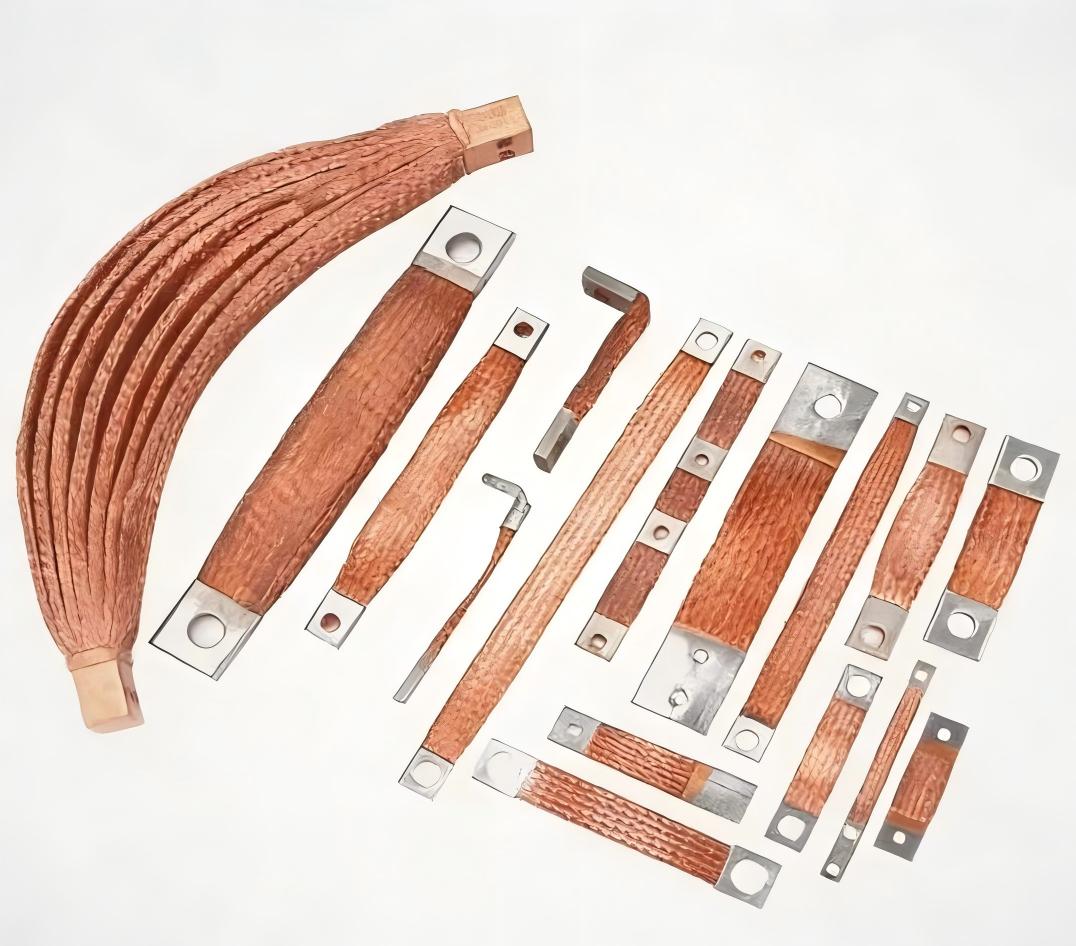
Collector rings form critical units within assorted electrical and mechanical systems, notably for fast rotary motions. The assembly of collector rings includes numerous conductive loops enabling energy or signal conveyance amidst fixed and revolving elements. Collector ring building comprises vital steps including picking proper materials, shaping rings with tight tolerances, and reliably fixing them to a turning axle. Effective assembly supports stable electrical connections and curtails frictional wear between rings and brushes.
- Furthermore, it's crucial to consider factors such as ring diameter, number of segments, and insulation material when assembling collector rings. Specific assembly actions vary aligned with collector ring applications and vendor’s directions.
- Knowing nuances of collector ring fabrication remains vital for technical experts in developing, fabricating, or caring for rotating electric devices.
Reducing Electric Arcing in Revolving Systems
Sparking inside rotating devices contributes to multiple unsafe events. This issue surfaces when concentrated electricity flows through improper paths, primarily from insulator decay or wrong system orientation. Several precautionary initiatives function to cut down risks. Above all, maintaining insulator toughness is vital. Frequent checks and renewals of degraded or defective insulation prove vital to arcing prevention. Next, adequate greasing of spinning parts decreases friction, lessening deterioration on electrical interfaces. Besides, applying consistent earthing arrangements effectively sinks stray charges, reducing spark likelihood. Concluding, careful calibration of rotation parts impedes added force on electrical connectors, further easing arcing probabilities.
Comprehending Carbon Brush Deterioration Processes
Carbon brush abrasion happens regularly in electric motors and generators. Such abrasion results from a complicated range of processes affecting brush longevity. Leading brush attrition factor is scuffing, resulting from ongoing rubbing against the commutator. The chafing forms heat and consistently erodes the carbon piece. Also, electrochemical wearing intensifies brush degradation, resulting from chemical activity between brush and commutator layers causing material decline. Additional conditions promoting brush erosion are electrical arcing leading to particular damage on brush contact areas. Misaligned brush installation escalates erosion rate. Grasping such degradation causes supports maximizing electric device capability and lifetime via proper material selection and care routines.
Elements Influencing Carbon Brush Duration
The durability of carbon brushes is influenced by a variety of factors. Abrasive wear from contact with the commutator is a major contributing cause, often exacerbated by inadequate lubrication. Carbon variety used inside brushes effectively governs durability, rigid grades ensuring better wear endurance. Heat surroundings influence longevity, as high temperature weakens carbon design. In conclusion, improper brush mounting brings about untimely malfunction.
Addressing Widespread Brush Defects
Carbon brushes operate as vital constituents in countless electric machines ensuring reliable energy delivery linking fixed and rotating aspects. Still, brush wear occurs eventually caused by rubbing, heat exposure, and contaminant depositions. Finding widespread brush problems fast helps avoid engine damage and inactivity. A frequent sign is a grinding noise produced by the motor. Often signals worn brushes or improper commutator contact. Scrutinizing brush condition detects wear indicators such as marked ridges, cracks, or ample length. An additional frequent fault includes cutback in motor output with weak power or startup failure. Such could mean brushes can no longer carry electrical flow effectively. Moreover, perceiving sparks by brushes unmistakably reveals contact faults calling for quick remedy. To manage problems, quick swapping of worn-out brushes is advisable. Utilize excellent substitute brushes compatible with your individual motor model. Guarantee new brushes are suitably positioned and establishing reliable contact with commutator. Clearing commutator surface pre-installation aids brush effectiveness. With consistent carbon brush care, motor issues are preventable and machine life lengthened.
Selecting the Right Slip Rings for Your Application
In choosing slip rings for your usage case, numerous parameters merit evaluation. First step involves discerning signal forms that slip rings will conduct. These might comprise electric currents, physical movement, or mixed forms. Also, reviewing site conditions relevant to slip rings is crucial. These variables cover thermal states, wetness, and shaking.
- Also, sizing and matching slip rings to systems must be noted.
- In conclusion, emphasizing the significance of dependable producers making good slip rings is vital.
By carefully evaluating these factors, you can select the right slip rings to meet your specific requirements.
Damping Noise and Oscillations from Collector Rings
{Collector rings play a crucial role in rotary applications by facilitating the transfer of power and signals|Collector rings have key importance in rotational settings