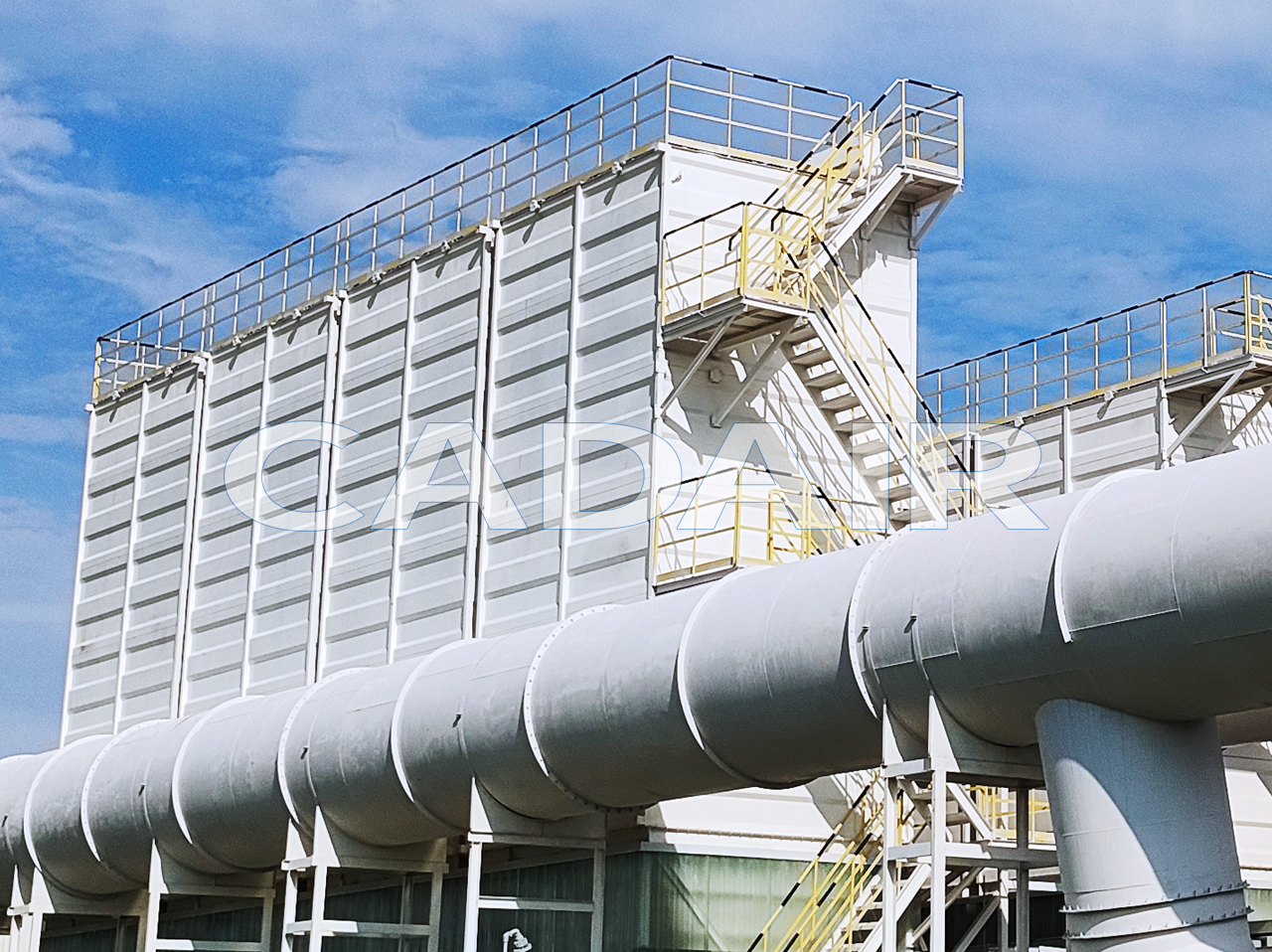
custom tailored cost optimized Control of Gaseous emissions for plants?
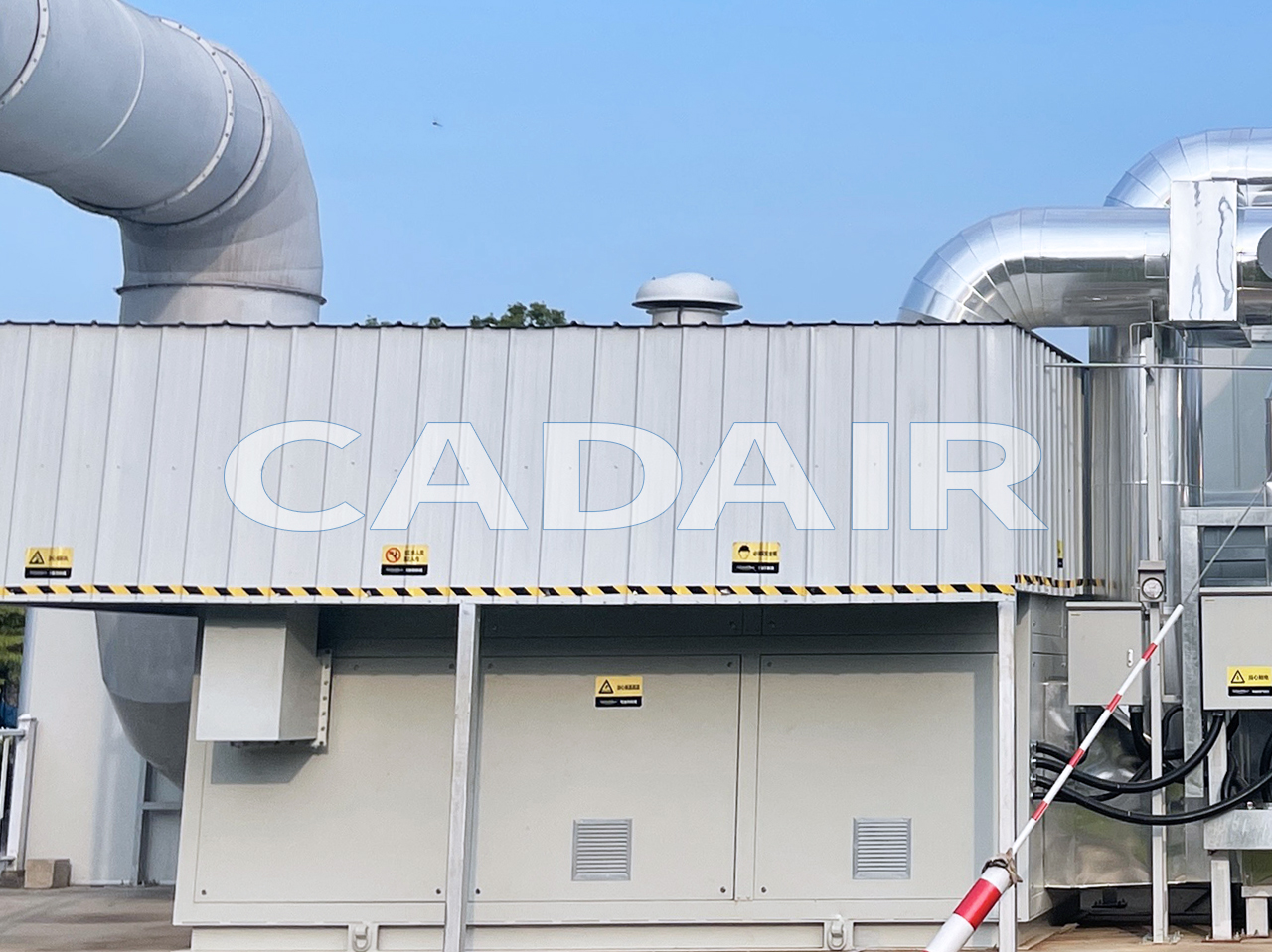
Initiating
Volatile organics threaten the environment (Chemicals) damaging public health and surroundings. Common extraction processes depend on energy intensive means and generate hazardous waste. Zeolite wheel systems provide eco-friendly solutions, yielding excellent VOC grasp inside ambient air. Such compounds include large surface zones with distinct cavities encouraging excellent VOC sequestration.
- Furthermore, zeolite turntable systems restore, decreasing natural harm and outlays.
- Hence, zeolite revolving innovations increase in widespread processing fields, including industrial emissions control, interior air detoxification, and fluid waste management.
Implementation of zeolite wheels signifies a major change aiming at renewable VOC mitigation, delivering eco and market profits.
Thermal Regeneration Systems: Pro Air Cleaning
Thermal recovery oxidizers offer leading air cleaning methods. These apparatuses engage combustion and heat application of corrupted fumes at augmented heat thresholds, effectively oxidizing toxins into clean aftermaths. The process is energy-saving due to its regenerable heat reuse. They specialize in eliminating gaseous compounds, aerosols, and noxious substances. Applied extensively in industrial, clinical, and contaminant purification domains.Gains represent refined air standards, less environmental footprint, and cost benefits. Also, shrunk size and reduced upkeep present them favorable.
Catalytic Cleaning Systems: Emission Minimizing Technologies
Manufacturing procedures release toxic fumes. Catalysis-based oxidation units reduce ecological impact. Catalytic substances promote change from hazardous to clean forms. Catalytic agents boost reaction speed with less power input.
Numerous catalytic agents suit specific needs, including expensive metals including tantalum and hafnium. Catalyst preference vital to enhance reduction rates. Unit planning boosts effective contaminant exposure to maximize oxidation progression.
Catalyst-based units prevail over basic techniques by discrimination. They focus on particular contaminants without affecting mold. Moreover, they sustain lower thermal regimes cutting charges. Continuous efforts develop superior catalytic emissions controls facilitating cleaner processes and healthier environments.
Optimizing Regenerative Catalytic Oxidizer Output
Securing maximum output involves multiple considerations. Selection of suitable catalysts is crucial. Modifying system conditions such as thermal level and duration refines output. Observation and measurement tactics secure reliability. Timely upkeep and examinations support endurance of the system and engagement.
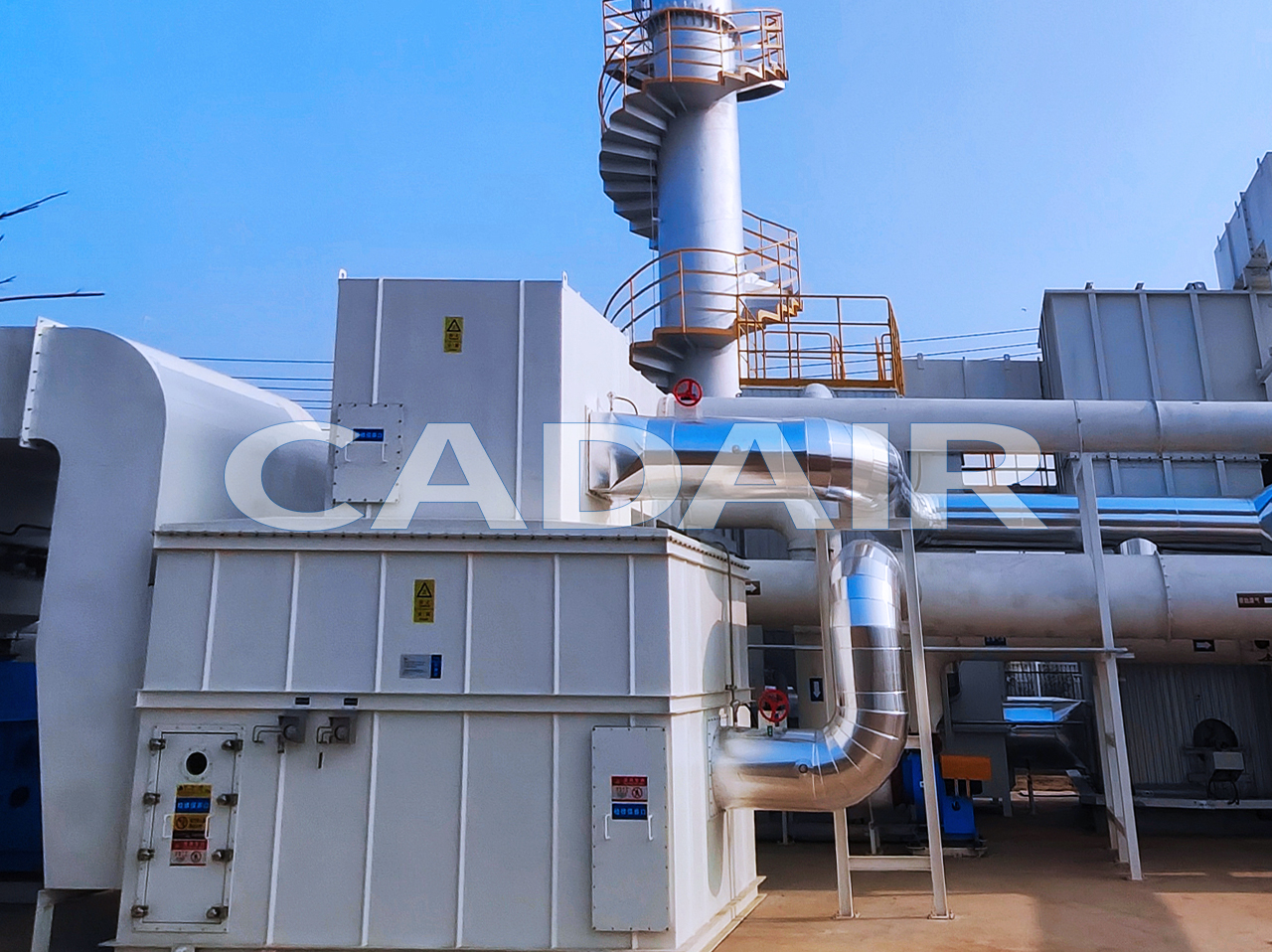
Zeolite Impact on RTO Efficiency
Thermal oxidation technologies function primarily curtailing VOC emissions. Zeolite compositions supply vital contributions via adsorption and catalyst functionality. Selective VOC capture boosts oxidative degradation efficiency. What's more, zeolite catalysts quicken combustion minimizing energy input and upgrading outcomes.
- Therefore, adoption of zeolite matter strengthens volatile compound removal, energy lowering, and environmental stewardship.
Evaluating Synthetic Zeolites Versus Traditional Catalysts
Modern catalytic progresses triggered parallel analyses of man-made zeolitic matrices compared to traditional catalytic compounds. The analysis studies catalyst function, targetability, thermal stability, and pricing. Summarizing with critique of synthetic zeolite contribution toward VOC removal in RTO setups. Such findings help develop better, eco-friendly air purification methods.
- Highly porous crystalline zeolite frameworks with vast interface optimize catalysis.
- Conventional catalytic agents mainly oxide-based show drawbacks in efficiency and specificity.
Besides, probes assess thermal parameters, residence intervals, and composition variables on zeolite-based and regular catalysts. This wide-ranging evaluation nurtures optimizing regenerative oxidation catalysts maximizing VOC clearance and minimizing operational energy.
Computational Simulations for Catalytic Oxidizer Systems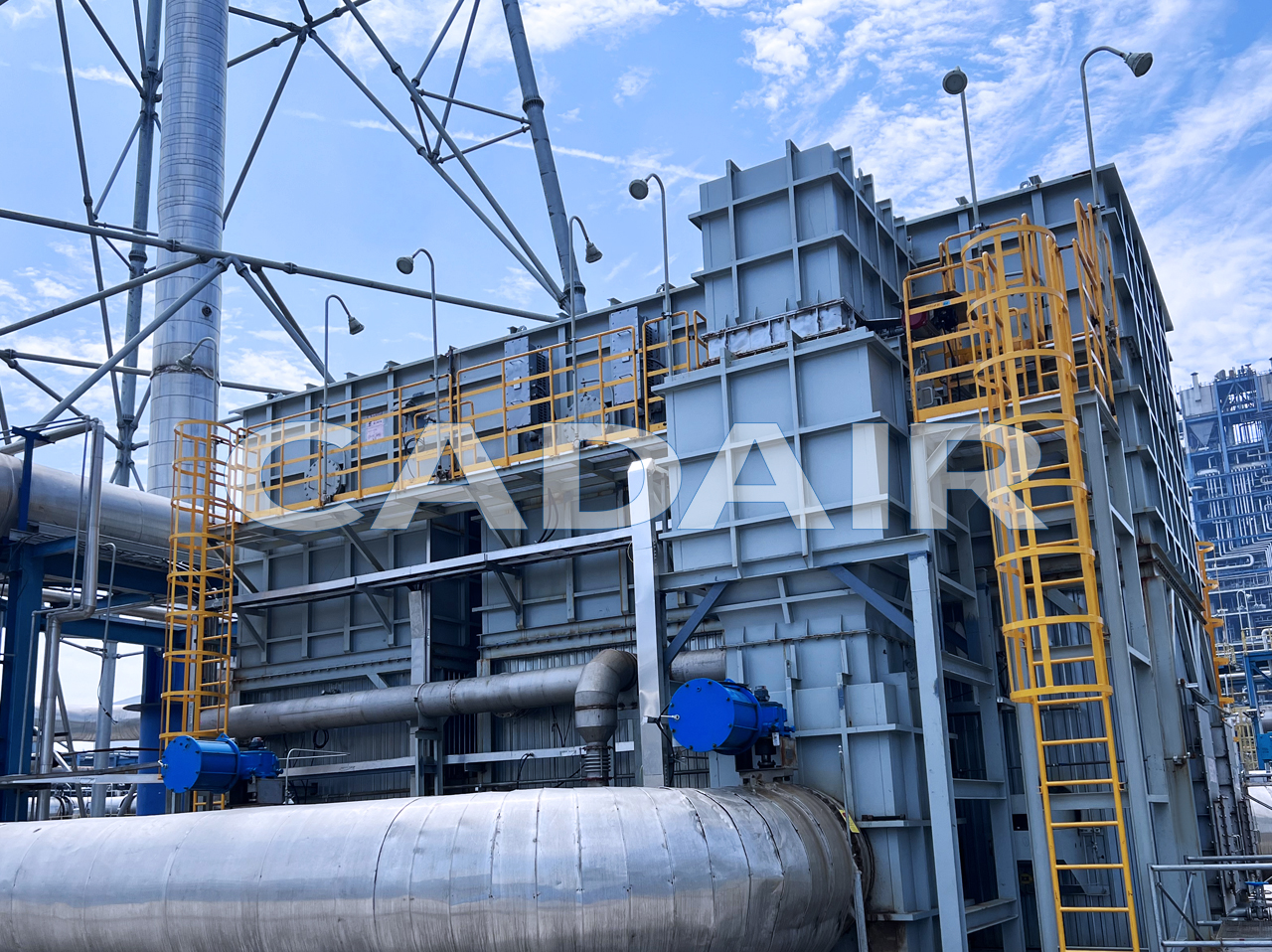
Advanced catalytic oxidation units represent complex apparatus for gaseous contaminant cleansing. These devices employ Thermal Oxidizer catalytic reactions to eliminate harmful substances generating heat as byproducts. Their complexity enforces sound modeling techniques assisting configuration and refinement. Modeling techniques help anticipate major functional indices throughout various operational states. Complementarily, digital studies detect difficulties providing input for optimizing regenerated catalytic units.Comparing Thermal and Catalytic Oxidation: Selecting Optimal Method
Picking ideal oxidation approaches involves diligent comparison. Thermal versus catalytic oxidation bring separate benefits and limitations. Thermal catalytic oxidation requires warmed environments to promote transformations. Catalytic oxidation accelerates reactions at lower temperatures using catalysts. Choice alters with productivity, investment, and targeted chemicals.
- Heat oxidation frequently achieves superior breakdown but uses more power
- Catalytic oxidation functions under softer warmth lowering price and atmospheric discharge
Complete comprehension of requirements supports optimal technology decisions. Relying on knowledgeable advisers enriches decision-making matching capacity with environmental care.
Zeolite Rotor Air Pollutant Capture Technology
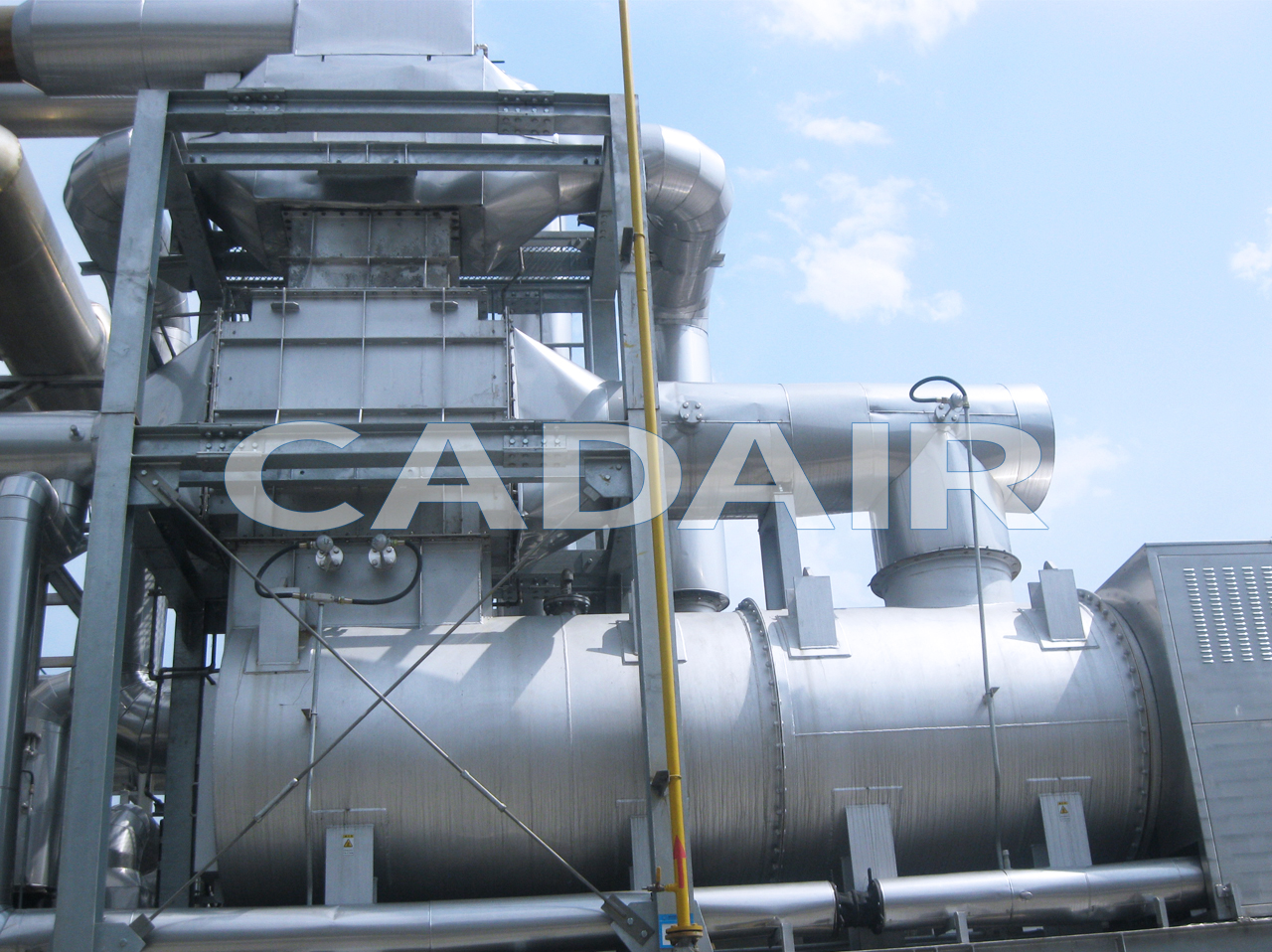
Zeolite rotary apparatuses demonstrate capacity for exhaust abatement across industrial and mobile platforms. Constructed with crystalline zeolitic structures, rotors entrap toxins via surface, chemical, or static field effects. Rotational operation delivers consistent and high-level emission suppression. Diverse zeolite types configure for targeting carbon monoxide, nitrogen oxides, and volatile compounds, making this technology customized, malleable, and generalized for many ecological demands.
- Additionally, zeolite rotary systems supply unprecedented edges over ordinary emission strategies, including:
- Minimized power needs.
- Streamlined build.
- Exceptional purification rates.
Ongoing research and development projects continue advancing zeolite rotor technology, promising sustainable improvements across industries.
Verified Applications of Regenerative Oxidizers
In the evolving oxidation technology sphere, regenerative oxidizers have proven powerful and promising solutions. Their facility for processing gaseous wastes into resourceful products earns strong recognition.
- One significant case features regenerative oxidation cutting huge contamination at an industrial chemicals facility achieving great contamination decrease and demonstrating environmental benefit potential.
- Further example captures regenerative oxidizers employed in power plants converting biomass into energy enabling effective and sustainable power generation using biomass waste offering clean substitute for conventional carbon fuels.
Such data reveal regenerative oxidizers’ flexible deployment and high efficiency across sectors. With continued innovation, anticipate groundbreaking uses ahead for this promising technology in upcoming years.
Next-Generation Air Quality Solutions: Zeolites and Regenerative Processes
With escalating worldwide airborne contamination issues, fresh strategies are essential. Leading developments involve combined zeolite and renewable technology approaches. Zeolites, valued for remarkable adsorption and tunable pores, efficiently trap pollutants from exhaust. Joined with sustainable units, they allow repeated toxin elimination and reclamation lowering residues and encouraging eco-friendliness. Such fusion offers potent solutions addressing diverse air pollution issues including industrial emissions, vehicle exhaust, and indoor atmospheres. Moreover, research keeps refining zeolite properties and regenerative processes, paving the way for increasingly sophisticated and adaptable purification systems.
- Cutting-Edge Zeolite Structures
- Green Technology Advancement
- Foreseen Benefits to Air Quality Improvement