commercial advantage reactive ion etching center of excellence?
Foundations about ionized etching through microelectronic manufacturing. This strategy exploits charged particles to targetedly extract substrate layers for exact layout creation during microfabrication. By modifying principal elements like compound mixtures, energy density, and operating pressure, the etching pace, target specificity, and directionality can be finely tailored. Ionized gas etching has altered chip fabrication, transducers, and state-of-the-art equipment.
- As well, plasma etching is regularly implemented for domains including optical science, health sciences, and substance study.
- Various variants of plasma etching are known, including plasma ion reaction etching and ICP-based etching, each with specialized features and challenges.
The sophisticated characteristics of plasma etching necessitate a extensive grasp of the basic physics and chemistry. This article seeks to offer a elaborate presentation of plasma etching, featuring its principles, different categories, practical uses, profits, complications, and anticipated innovations.
Riechert Etchers: Precision in Microfabrication
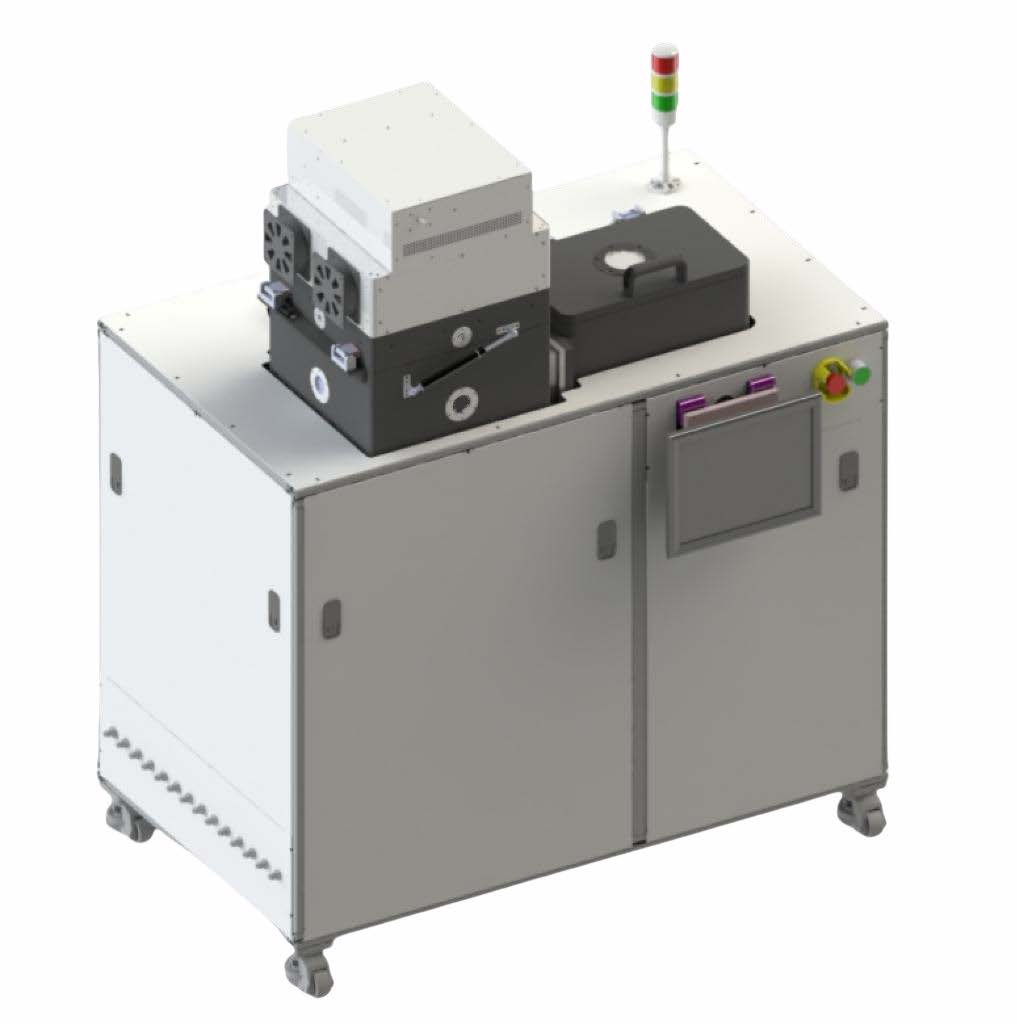
Focusing on nanofabrication, Riechert etchers are prominent as a prime option. These refined devices are praised for their unmatched accuracy, enabling the production of detailed shapes at the micron-scale dimension. By employing high-tech etching methods, Riechert etchers maintain flawless management of the manufacturing sequence, constructing premium outcomes.
Applications of Riechert etchers cover a varied selection of industries, such as nanodevices. From constructing microchips to designing lead-edge medical gadgets, these etchers hold a pivotal position in shaping the trajectory of innovation . With determination to excellence, Riechert dictates measures for exact microfabrication.
Reactive Ion Etching: Essentials and Usage
Ion-assisted reactive etching constitutes a crucial process in semiconductor fabrication. RIE leverages a intermingling of charged species and reactive gases to remove materials with fine control. This action entails bombarding the targeted material with active charged particles, which bond with the material to construct volatile etch byproducts that are then cleared by a pressure installation.
RIE’s skill in maintaining vertical profiles makes it decisively impactful for producing intricate designs in miniature devices. Utilizations of RIE include the assembly of electronic transistors, electronic packages, and photonics elements. The technique can also form deep etches and microvias for high-capacity storage.
- RIE provides fine oversight over removal velocities and component selectivity, enabling the formation of complex features at ultrafine scale.
- Multiple etching gases can be utilized in RIE depending on the workpiece and essential etch profiles.
- The profile-controlled quality of RIE etching makes possible the creation of sharp contours, which is vital for certain device architectures.
Controlling Etch Profiles in ICP Processes
Inductively powered plasma removal has come forward as a noteworthy technique for assembling microelectronic devices, due to its notable capacity to achieve well-defined etch orientation and reaction specificity. The careful regulation of plasma conditions, including power application, gas ratios, and ambient pressure, provides the delicate calibration of material ablation speeds and structure designs. This versatility provides the creation of precise designs with reduced harm to nearby substances. By enhancing these factors, ICP etching can safely minimize undercutting, a common complication in anisotropic etching methods.
Evaluation of Plasma Etching Technologies
Ionized gas etching methods are extensively used in the semiconductor realm for fabricating fine patterns on electronic platforms. This review analyzes distinct plasma etching processes, including physical vapor deposition (PVD), to judge their performance for varied substrates and functions. The examination identifies critical elements like etch rate, selectivity, and surface morphology to provide a broad understanding of the strengths and issues of each method.
Optimizing Plasma Conditions for Better Etch Performance
Ensuring optimal etching performance levels in plasma techniques necessitates careful setting modification. Elements such as electric intensity, compound mixing, and density rate substantially affect the etching output. By systematically calibrating these settings, it becomes possible to improve quality results.
Chemical Fundamentals of Reactive Ion Etching
Ion-enhanced plasma etching is a key process in nanoengineering, which covers the employment of ionized carbon particles to meticulously carve materials. The fundamental principle behind RIE is the dynamic interplay between these reactive charged domains and the material interface. This interaction triggers ionic reactions that parse and remove particles from the material, resulting in a aimed-for form. Typically, the process engages a combination of etching compounds, such as chlorine or fluorine, which are energized within the plasma vessel. These energetic ions attack the material surface, starting off the chemical etching reactions.The effectiveness of RIE is influenced by various aspects, including the type of material being etched, the choice of gas chemistries, and the functional settings of the etching apparatus. Exact control over these elements is essential for securing superior etch patterns and limiting damage to nearby structures.
ICP Etcher Profile Management
Securing exact and consistent patterns is fundamental for the success of plenty of microfabrication routines. In inductively coupled plasma (ICP) method systems, governance of the etch contour is critical in shaping sizes and geometries of items being assembled. Notable parameters that can be changed to impact the etch profile include chemical environment, plasma power, thermal conditions, and the hardware structure. By thoughtfully tuning these, etchers can produce structures that range from evenly directional to profile-controlled, dictated by specific application specifications.
For instance, mainly vertical etching is often requested to create narrow pits or conductive holes with sharply defined sidewalls. This is effected by utilizing considerable fluorine gas concentrations within plasma and sustaining controlled substrate temperatures. Conversely, non-directional etching constructs rounded-edge profiles owing to the technique's three-dimensional character. This category can be helpful for broad surface etching or surface refinement.
Besides, leading-edge etch profile techniques such as high-aspect ion etching enable the creation of remarkably controlled and elongated, vertical features. These ways commonly include alternating between reactive phases, using a fusion of gases and plasma conditions to produce the intended profile.
Acknowledging determinants that regulate etch profile control in ICP etchers is imperative for improving microfabrication techniques and realizing the targeted device output.
Plasma-Based Removal in Microelectronics
High-energy ion etching is a crucial operation deployed in semiconductor production to exactly etch elements from a wafer based. This procedure implements dynamic plasma, a mixture of ionized gas particles, to ablate particular areas of the wafer based on their structural features. Plasma etching supports several merits over other etching processes, including high vertical selectivity, which contributes to creating profound trenches and vias with reduced sidewall alterations. This fine control is key for fabricating complex semiconductor devices with layered structures.
Functions of plasma etching in semiconductor manufacturing are extensive. It is engaged to manufacture transistors, capacitors, resistors, and other fundamental components that form the bedrock of integrated circuits. What's more, plasma etching plays a leading role in lithography protocols, where it contributes to the accurate layout creation of semiconductor material to design circuit designs. The elevated level of control supplied by plasma etching makes it an necessary tool for advanced semiconductor fabrication.
Cutting-Edge Advances in Plasma Treatment
Plasma etching technology undergoes continuous evolution, driven by the increasing call plasma etch for higher {accuracy|precision|performance