clay focused Zisha curated tea vessel?
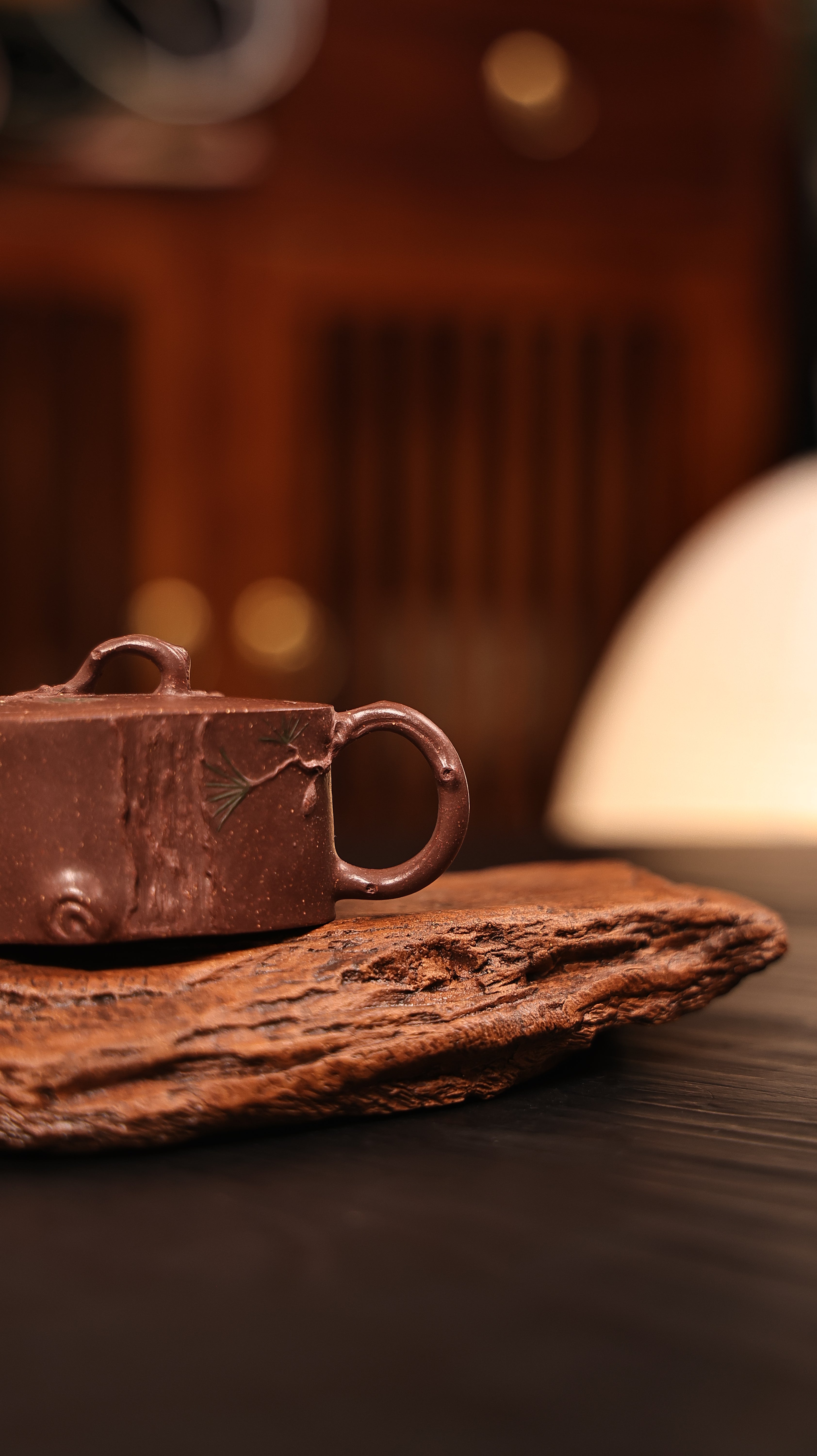
Commencing a exhaustive exploration with respect to Yixing Zi-sha earthenware pots showcases distinct compelling mixture between expertise combined with usefulness.
Yi-hsing Tzu Sha ceramic kettles contain unique unparalleled magnetism towards aficionados across the globe. Certain notable ceramic vessels, derived from the particular 宜兴 area in Jiangsu zone, China, constitute more than just tea utensils; they stand as works art beauty and rich significance. The finely screened clay, known called Zisha, imparts a gentle flavor in the tea, and the complex designs, often reflecting traditional Chinese designs, add to their essential value. Collecting a genuine Yixing Zisha teapot provides a pleasing journey, involving careful research and an recognition of the numerous factors influencing their rarity.
Discovering Yixing Ceramic Containers
宜兴 vessels boast a storied past deeply interwoven with Chinese civilization. Originating in Yixing, Jiangsu area, these pots are crafted from a unique, porous purple terracotta found only in that designated location. Their growth began during the Ming epoch, with master artisans refining the systems over decades. Different types occur, including the classic Hexiang (resembling crab shells), Zhuni (red-brown hue), and Duan Ni (stone-studded) – each with distinctive characteristics. The esteem of an Yixing pottery isn't solely based on its size or decoration, but also on the artisan’s reputation, the material's quality, and the brewery’s age and condition. Chinese Teapot Connoisseurs often seek out older examples, believing they soak up the essence of the tea brewed within them over time, further adding to their eminence.- Hexiang Earthen Pots
- Zhuni Earthen Pots
- Stone-Studded Earthen Pots
Zisha Teapot Mastery: Artistry & Systems
The manufacture of Zisha teapots represents a culmination of Chinese ceramic craft. Seasoned artisans employ traditional techniques, often passed down through ancestry, to unlock the full quality of this unique clay. Techniques involve meticulous crafting by hand, often combined with the layering method, followed by precise drying at incredibly marked temperatures in wood-fired kilns. Adorning is equally crucial; craftsmen utilize unprocessed clay colors and may incorporate relief work to depict intricate scenes or patterns, demonstrating a profound familiarity of the material’s capabilities and voice. The outcome teapot isn't merely a vessel for tea, but a testament to a valuable cultural legacy.
Ancient Pottery: An Insight to Yi-hsing Tzu-sha
Delving into the world of Ancient teapots often commences with Yixing Zisha. These uncommon clay teapots are made from a singular type of clay harvested only in the Yixing region of the Jiangsu locale province. Famous for its remarkable reddish-purple hue and exquisite aspects, Zisha clay delivers a mild flavor to the brew and improves with age, growing into a cherished artifact. Curating Yixing Zisha ceramics is more than just possessing a lovely object; it’s a commemoration of custom and mastery.
Venturing into that Ceramics: Sincerity & Elevation
Starting the arena of Yixing Zisha creations can be remarkably rewarding, but requires a meticulous judgment. Authenticity is imperative; abundant reproductions manifest, habitually artfully assembled. Becoming knowledgeable about old-fashioned cooking procedures, exclusive soil features, and the hallmarks of renowned artisans is wholly imperative. What’s more, knowing the intricacies of the market direction – influenced by determinants such as classical consequence and the quality of the item – is paramount to advantageous procurement.
- Examining kiln lineage.
- Hiring authorities for authentication.
- Judging commerce fluctuations.
Unique Process of Creating with a Clay Brewer
The original allure of a Zisha equipment lies not just in its exquisite appearance, but also in its illustrious impact on the aroma of the beverage. These vintage clay earthenware, sourced from particular regions of China, possess a native porosity that gradually interacts with the moisture and leaves, imbuing the infusion with a nuanced character. Mastering the skill requires a attentive approach, understanding how the substance responds to distinct temperatures and plant types, ultimately leading to a genuinely rewarding consuming ritual.
Nurturing A Relic
Proper attention of your Yixing ceramic vessel is necessary to continuing its durability. These singular teapots, crafted from remarkable Yixing clay, manifest a history over ages that improves their merit. Regularly rinse the inside surface with clean water, avoiding soapsuds, and never use powerful scrubbing tools. Some gentle washing with a delicate cloth can facilitate in doing away with residue. Allow your urn to completely dry subsequent to each preparation
Unlocking Clay: Elements This Ceramic Pots Illustrate Distinct
The noted appeal of Yixing teapots starts from the unique properties of Clay clay, harvested solely near Yixing, China. This outstanding clay, classified as ferruginous mineral , possesses a unusual combination of ingredients that, as years pass, absorb the aroma of the tisanes it embraces. This yields a one-of-a-kind fragrance for each brew container, transforming it a merit far beyond its original price and resulting to their valued status among gatherers.
Unearthing the Fitting Regional Teapot: A Yixing Clay Introduction
Venturing into the world of Yixing clay teapots can feel challenging, but understanding the foundations is essential to acquiring a esteemed piece. This model of clay, sourced essentially from Yixing, the province of Jiangsu, is famous for its special feel and ability to develop the aroma of the infusion over years. Think about the form, the hue, and the overall aesthetic; a genuine Zisha teapot is more than just a vessel; it's a artistic piece and a reflection of ancient culture. Examine the inscription of the craftsman for clues to its history and potential worth.